
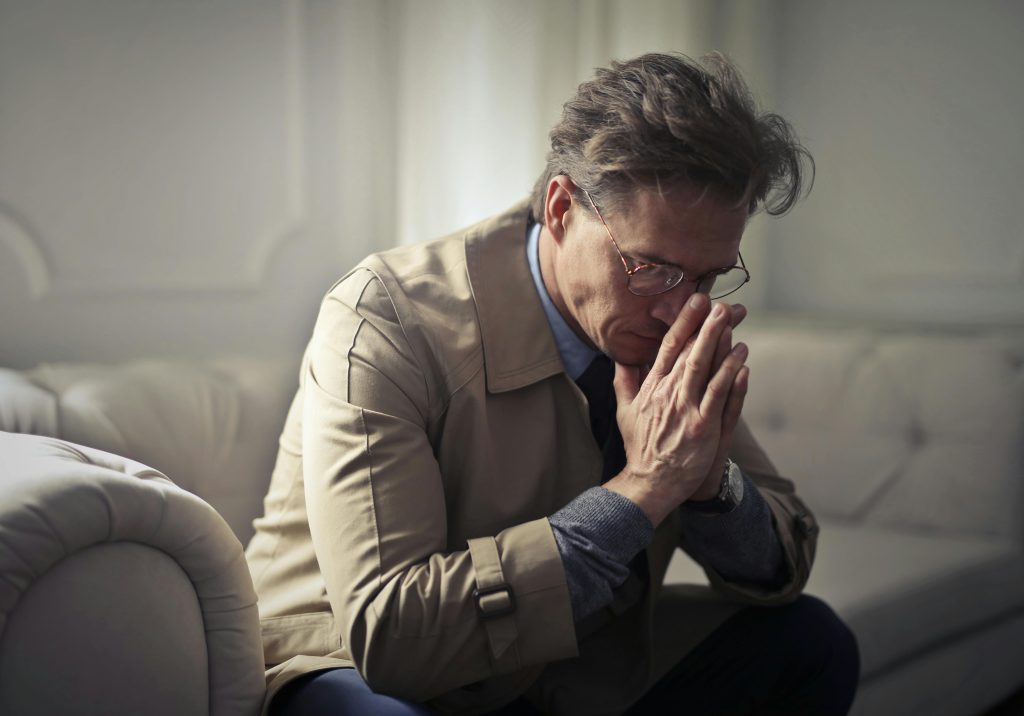
A clip of a heated TV debate about whether young men are now pressured to cry, or still pressured to hide their feelings, has reignited an old argument online. Behind the noise sits a genuine question that many people type into Google every day: why do men hide their emotions?
The answer is less about biology than about learning. From childhood, boys pick up unwritten rules about which feelings are acceptable to show, and when. Psychologists call these display rules. Over time, those rules can harden into habits that shape how men cope with stress, grief, and low mood, and whether they ever ask for help.
This article looks at what the research says about why many men keep their feelings to themselves, what it costs, and what actually helps. It is not about whether men or women are more emotional. If you are interested in that question, there is a separate piece on why women cry more than men. Here the focus is on men, and on the space between feeling something and letting it show.

Why do men hide their emotions?
Research points to three overlapping reasons. The first is learned display rules. Children quickly notice which reactions are praised and which are mocked, and phrases such as “boys don’t cry” or “man up” teach some boys that tears and fear are signs of weakness. The second is masculine norms, the shared expectations about being tough, self-reliant, and in control. The third is fear of judgement. Many men worry that showing vulnerability will cost them respect at work, among friends, or in relationships.
None of these reasons means men feel less. They simply mean that many men have learned to manage feelings privately, or to turn them into something that feels more acceptable to show, such as irritation or anger.
What the research says about masculine norms
A large body of research has tested how closely men follow traditional masculine norms and how that relates to their mental health. In a set of meta-analyses published in the Journal of Counseling Psychology, Y Joel Wong and colleagues combined 78 samples with 19,453 participants. They found that conformity to masculine norms was modestly linked to poorer mental health and moderately linked to less psychological help-seeking.
The detail matters. Not every so-called masculine trait was harmful. The norms most consistently linked to worse outcomes were self-reliance, power over women, and being a playboy. Putting work first was not significantly linked to any mental health outcome. In other words, it is not masculinity as a whole that causes problems, but specific expectations, especially the belief that a man should always cope alone. That fits with the argument that masculinity is not the main cause of men’s health problems on its own.
How hiding emotions affects help-seeking
The biggest cost of keeping feelings hidden is that problems can go unnoticed for too long. A systematic review by Zac Seidler and colleagues in Clinical Psychology Review examined 37 studies on masculinity and men’s help-seeking for depression. It concluded that conformity to traditional masculine norms affects men in three ways: how they experience and express symptoms, their attitudes to and use of help, and how they manage their symptoms.
In practice, that can look like a man who feels low but describes himself as “just tired”, who drinks more or works longer hours instead of talking, or who only sees a GP when things have reached a crisis. The review’s authors suggested that tailoring services to men could improve uptake and help treatment work better.
Crying and the beliefs behind it
Crying is one of the clearest examples of display rules at work. An international survey of 893 adults in Australia, Croatia, the Netherlands, Thailand, and the UK, by Sharman and colleagues, including the crying researcher Ad Vingerhoets, was published in Frontiers in Psychology. It found that gender, gender roles, and attitudes to gender roles were linked to how people cried. Yet whether people felt better after crying depended much more on their beliefs about whether crying helps, regardless of gender. People also tended to feel better when someone offered support while they cried.
That finding is useful. It suggests that the stigma around tears may matter as much as the tears themselves, and that a supportive response from the people around a man can make a real difference.
The stakes for men’s mental health
Hiding emotions is not always harmful, and everyone needs some control over when and where they open up. The concern is when silence becomes the only option. In England and Wales, the Office for National Statistics registered 6,162 suicide deaths in 2025. The rate for males was 17.5 per 100,000, compared with 5.5 per 100,000 for females, and men aged 50 to 54 had the highest rate of any age group. Suicide has many causes, and emotional suppression is only one possible factor, but these figures are a reminder of why getting help early matters.
What actually helps
Simply telling men to “open up” is rarely enough, a point made well in Just Telling Men to ‘Open Up’ Is Not Enough. Change tends to come from practical steps and from the people around men making it safer to speak. Here are some approaches that are supported by the research and by clinical experience.
Start by naming feelings privately. Writing down “I feel anxious about money” or “I am angry because I feel ignored” helps turn a vague pressure into something specific that can be dealt with.
Choose the setting. Many men find it easier to talk side by side, on a walk, at the gym, or while doing something with their hands, rather than face to face across a table.
Pick one trusted person. Opening up does not mean telling everyone. One friend, partner, or colleague who listens without trying to fix things can be enough to begin with. It is worth knowing that talking does carry risks if it is met with judgement, which is explored in the potential downsides of men talking about their feelings.
Reframe help-seeking as action. Getting support is a practical decision to solve a problem, which fits values such as responsibility and strength.
Use services you can access directly. In England, adults aged 18 and over can refer themselves to NHS talking therapies for anxiety and depression without seeing a GP and without a diagnosis. If things feel overwhelming, Samaritans is available at any time on 116 123, free from any phone.
FAQs
- Why do men hide their emotions? Mostly because of learned display rules, masculine norms about toughness and self-reliance, and fear of being judged as weak.
- Is it OK for men to cry? Yes. Crying is a normal human response, and research suggests people tend to feel better after crying when they receive support.
- Is suppressing emotions bad for men’s mental health? Strong conformity to norms such as self-reliance is linked to poorer mental health and less help-seeking, though not every masculine trait is harmful.
- Where can men get support in the UK? You can refer yourself to NHS talking therapies in England, speak to your GP, or call Samaritans free on 116 123 at any time.
The bottom line
Men do not feel less than anyone else. Many have simply learned to keep their feelings out of sight. Understanding where that habit comes from makes it easier to change, and the most helpful response is not pressure to cry on cue, but a culture where men can speak honestly about how they feel and get support for their well-being when they need it.


