
As I write this, the first autumn storms have swept across the country. Trees have come down, disrupting travel and causing power outages for hundreds of thousands of people. There have been injuries, deaths and flooding. This follows a summer of repeated heatwaves. Increasingly, such events are part of a new pattern. Our climate is changing, and so is the severity of our weather experience.
Much attention has been paid to the physical consequences of climate change. Less has been paid to the psychological consequences, and even less to how it affects the way CBT therapists, supervisors and trainers practise.
Climate change can feel like a distant or abstract problem, yet many of its psychological effects already show up in consulting rooms and lecture theatres as storms, heatwaves and disruption become harder to treat as rare exceptions.

When vulnerability meets extreme weather
A useful starting point is the concept of vulnerability amplification: the way severe weather can magnify existing vulnerabilities. A heatwave, storm, flood or prolonged period of disruption can create difficulties for anyone, but the impact is often greatest for those already facing challenges.
Vulnerabilities may be physical, such as chronic health conditions, age, frailty or pregnancy. Psychological vulnerabilities include existing mental health problems. Social and economic factors matter too. Poverty, insecure housing, social isolation, discrimination and homelessness all increase susceptibility to extreme weather.
Certain occupational groups face heightened risks. Healthcare staff, first responders, outdoor workers and those responsible for maintaining critical infrastructure experience severe weather not simply as an inconvenience but as a direct challenge to their work and well-being, as well as a constant reminder.
For CBT practitioners, climate-related events are becoming another factor in the wider circumstances affecting the people we work with. Extreme weather is not necessarily a new psychological problem, but an additional stressor interacting with pre-existing difficulties.
Weatherproofing behavioural activation
An immediate implication for CBT practice can be seen in behavioural activation, one of our most effective interventions for depression. At its heart is a simple idea: helping people reconnect with activities that provide meaning, value, pleasure, achievement or social connection can break the cycle of depression and low mood. That same focus on activity and mood is why behavioural activation features so strongly in guidance on what actually helps with depression.
But many of these activities involve leaving the house or being outdoors. Severe weather can make them difficult or unsafe.
A client may have regular walks, visits to community groups, gardening or outdoor exercise. Storms could cancel these activities; heatwaves make them physically demanding or inadvisable; transport disruption creates further barriers. Activities that were previously straightforward suddenly become much harder to sustain, which raises a practical question: how do we weatherproof behavioural activation?
Therapists already anticipate obstacles when developing activity plans. We think about barriers, competing demands, setbacks and motivational fluctuations. Weather will increasingly need to become part of that planning process.
How can we ensure flexibility without abandoning valued activities? What alternatives are available when conditions prevent an activity from taking place? Which activities can be brought indoors? How can routines and sources of enjoyment and achievement be maintained? None of this requires radically new therapeutic skills. It is an extension of the problem-solving and planning processes already central to CBT.
Climate distress and nature-based interventions
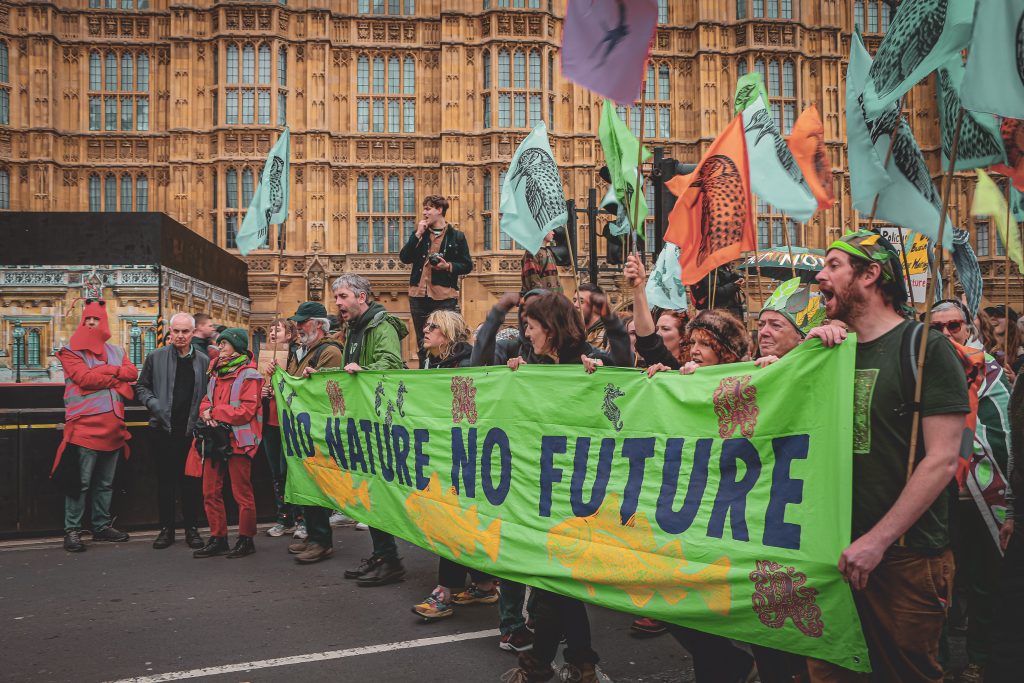
Some people experience distress directly linked to climate change. Terms such as climate anxiety, eco-distress, ecological grief and climate moral distress are increasingly common in research and clinical discussions. People are worried about the future, distressed by environmental losses, overwhelmed by the challenges ahead and frustrated or hopeless in the face of inaction by those with the power to drive change.
Media coverage can strengthen the sense of emergency and loss. These feelings may intensify as extreme weather brings the reality of climate change closer to home. That is also why practical CBT skills for eco-anxiety and climate guilt matter alongside wider therapeutic work.
One promising response has been growing interest in, and evidence for, nature- and community-based interventions. Spending time in natural environments and with others, whether actively engaged or simply being, can foster connection, well-being, purpose and a sense of collective agency. The feeling that meaningful action is possible emerges more readily with others than in isolation.
Yet here too there is a tension. The same environmental changes that contribute to climate distress may disrupt activities that could alleviate it. Severe weather limits participation in outdoor activities while environmental degradation changes beloved places and landscapes. Encounters with damaged ecosystems may reinforce grief and loss rather than reducing them.
This does not diminish the value of nature-based approaches, but reminds us that they should not be viewed simplistically. People’s relationships with the natural world can be a source of comfort, meaning, sadness, hope, grief and responsibility all at once.
Looking after ourselves
For me, the most important question does not concern our clients alone. Unlike many of the problems we help people navigate, climate change is something we are living through alongside them. Therapists and educators experience the same storms, heatwaves, disruptions and uncertainties. We read the same headlines and witness the same environmental changes. We may share other vulnerabilities with our clients and trainees too.
This creates a unique challenge: as we support people through these experiences, we cannot fully step outside of our own. CBT and other therapeutic orientations have always recognised the importance of reflection, supervision and self-care. We must give ourselves space to consider our own responses and concerns, and how climate-related issues affect us personally and professionally.
The weather outside my window will continue to change. There will be more storms, more periods of previously unusual and brutally hot weather and more “unseasonable” surprises. As therapists, supervisors and trainers, we cannot control those changes. What we can do is adapt our practice thoughtfully, support the people most affected, and ensure that we look after ourselves as we do so. Weatherproofing our professional practices may become as important as weatherproofing our homes.
FAQs
- What does weatherproofing CBT mean? It means adapting CBT practice so extreme weather is treated as a real-world barrier that can amplify vulnerability and disrupt activity plans, without abandoning the therapy’s core methods.
- How can behavioural activation cope with storms or heatwaves? Build weather into obstacle planning: identify indoor alternatives, flexible routines and ways to keep meaning, pleasure and achievement available when outdoor plans fall through.
- Why do therapists need to look after themselves here? Because climate change is something practitioners are living through with their clients, so reflection, supervision and self-care matter alongside clinical adaptations.


