
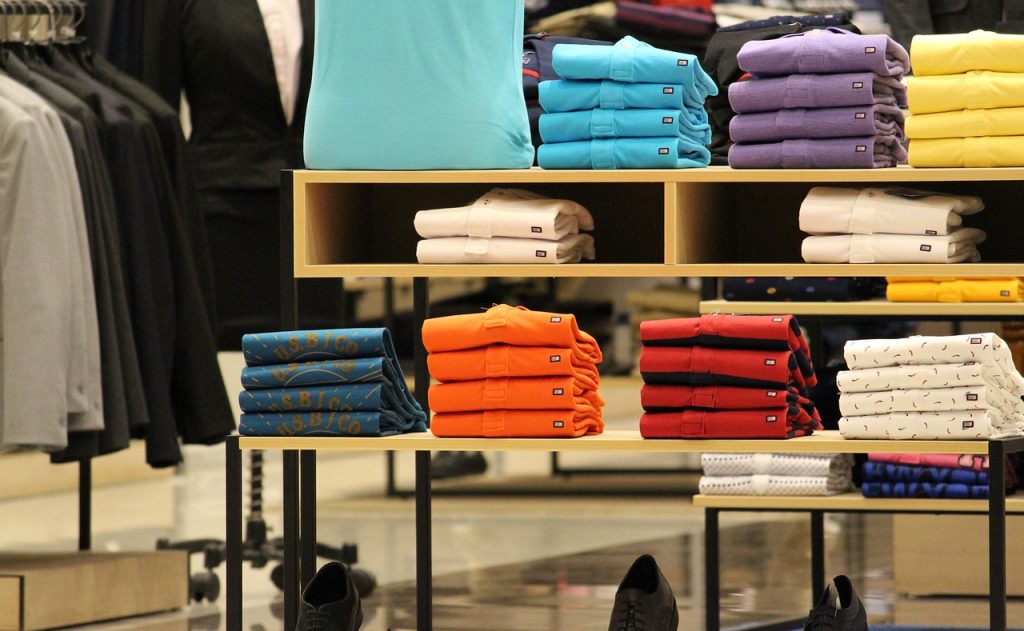
In my clinical practice, I often meet people who describe shopping as a ritual rather than a necessity. They talk about the sensory side of walking through a store, from the feel of the materials and the visual pull of carefully curated displays to the cognitive exercise of what might be called “mental simulation”. For many of them, browsing without purchasing is a sophisticated form of self-regulation, yet the line between healthy exploration and maladaptive behaviour is often thinner than we realise. So why do we enjoy browsing without buying, and when does it stop being harmless?
Why we enjoy browsing without buying
We first need to set aside the myth that shopping is purely a transaction. As research on browsing activity by Bloch, Ridgway, and Sherrell established in 1989, browsing is a distinct psychological activity. From a clinical perspective, it works as a low-stakes environment in which people can explore their identity and aesthetic preferences without the pressure of commitment.
Work on hedonic shopping motivations by Arnold and Reynolds highlights that, for the recreational shopper, the store can serve as a place of psychological restoration. When we browse, we are engaged in a form of cognitive play, projecting ourselves into future scenarios and imagining how a particular garment might change the way we present ourselves or how an object might alter our home. This process brings a sense of agency and a genuine lift in mood that is often enough to satisfy the brain’s reward centres, which makes the actual purchase unnecessary.

The pull of the unexpected find
The excitement we feel on discovering an affordable, unplanned item is rooted in the brain’s dopamine-driven reward system. Finding a “deal” gives us a sense of mastery and of control over our environment, which is a large part of why bargains feel so satisfying. Clinically, though, we need to stay alert to the motivation behind these purchases.
Research on buying motives by Dittmar, Long, and Bond shows that impulsive buying is often an attempt at identity-seeking, a compensatory way of bridging the gap between the self we are now and the idealised self we would like to be, and that these identity-related motives are linked with compulsive buying. When a purchase grows out of this kind of inner deficit, it rarely satisfies for long, as the high of the transaction is fleeting and is often followed by a period of emotional deflation. Telling the difference between a purchase that adds genuine value to your life and one that serves as a temporary emotional bandage is the first step towards financial and psychological health.
The trap of immediate gratification
In today’s culture of instant access, the pause between wanting something and owning it has all but vanished, leaving little room for delayed gratification. When we put immediate satisfaction first, we bypass the prefrontal cortex (the part of the brain responsible for executive function and long-term planning) and lean instead on the limbic system, which craves immediate relief.
When patients tell me they feel “peace” while shopping, I encourage them to look at what they are seeking peace from. If shopping is being used to soothe anxiety or to mask feelings of inadequacy, the shopping basket becomes a vessel for avoidance. The goal of therapy is not to take the joy out of shopping but to build the capacity to sit with a desire without needing to resolve it through a transaction.
Mindful shopping and the clinical pause
To move towards a healthier relationship with consumption, I suggest a “clinical pause”. Before you finalise a purchase, ask yourself whether you are buying it for the usefulness of the object or for the temporary relief of the act itself.
There is profound psychological power in being able to walk away. By choosing not to buy, you exercise your autonomy and reinforce the reality that your sense of self does not depend on your possessions. You can appreciate the beauty of an item, acknowledge the pleasure of the discovery, and leave it on the shelf, reclaiming the experience as a form of creative exploration rather than another turn in a cycle of consumption.
Remember that the most significant purchase you can make is an investment in your own self-awareness. Sometimes the most therapeutic thing you can do is simply to look, to appreciate, and to let go.
FAQs
- Why do we enjoy browsing without buying? Browsing is a form of cognitive play, and imagining how things might fit into our lives brings a sense of agency and a lift in mood that can satisfy the brain’s reward system without a purchase.
- Is browsing without buying healthy? Usually it is, and it can be a sophisticated form of self-regulation. It becomes a concern when shopping is used to soothe anxiety or mask feelings of inadequacy, because it then turns into a form of avoidance.
- Why does the buzz of a new purchase fade so quickly? When a purchase is driven by the wish to close the gap between who we are and who we would like to be, the high is fleeting and is often followed by emotional deflation.
- What is a clinical pause? It is a moment before paying to ask whether you are buying for the usefulness of the object or for the temporary relief of the act itself.
Takeaway
Browsing without buying is not wasted time, since it can be a healthy way to explore your tastes, try on future versions of yourself, and lift your mood. If shopping starts to feel like the only route to calm, the pause before paying is the place to notice what you are really looking for.


