
Original studyFrontiers in Psychology, 2026Read the paper →
Most people know the feeling of being phubbed, when a friend, partner, or colleague turns to a phone mid-conversation. The word blends phone and snubbing, and the habit is often treated as a sign of phone addiction. A new Brazilian study suggests the people who do it are far from alike.
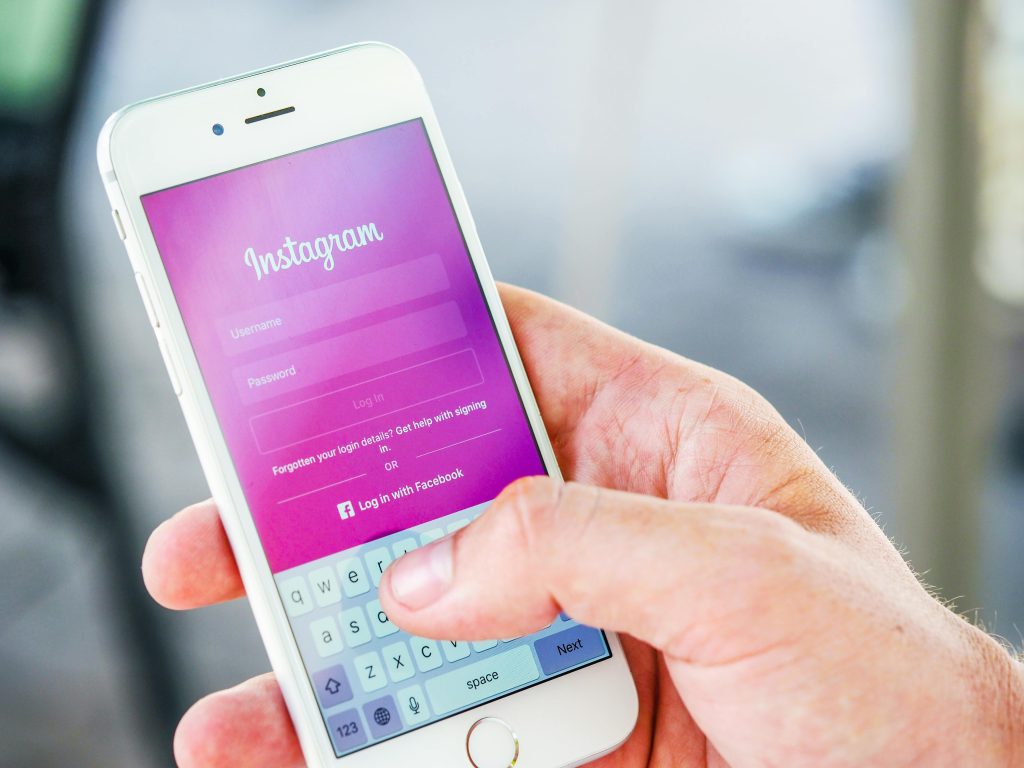
Researchers at the Federal University of Amazonas, Universidade São Francisco, and the University of Brasília surveyed 1,551 Brazilian adults online and analysed the 1,470 who used Instagram. The study appears in Frontiers in Psychology. A machine learning method sorted people into profiles based on personality, Instagram habits, and phubbing.
Participants were aged 18 to 76, with an average age of about 31, recruited through a convenience and snowball sample on social media, messaging apps, and email. About two in three were women, and more than 60% were studying for or had completed a master’s degree or PhD.
Phubbing was measured in two parts. Communication disturbance covers breaking off face-to-face conversations to use a phone, while phone obsession is a constant need for the phone outside face-to-face settings. Problematic Instagram use was measured with a six-item scale, and personality with a short Big Five test that includes neuroticism, a tendency to feel worry and other negative emotions readily.
The largest of five profiles, about a quarter of the sample, was labelled digitally vulnerable: it had the most problematic Instagram use and phubbing, the highest neuroticism, and lower conscientiousness and agreeableness. At the other end, a regulated low-digital group of about 17% had the least phubbing, the lowest neuroticism, the highest conscientiousness, and the oldest average age, at about 36.
The other three groups showed that similar habits can sit alongside different personalities. An introverted low-digital group, about 16%, also phubbed little but, unlike the regulated group, was less outgoing, less agreeable, and less conscientious, with higher neuroticism. A moderate group of about 21% sat in the middle for Instagram use and phubbing, with fairly low extraversion but fairly high conscientiousness.
A socially engaged group, also about 21%, showed moderately high Instagram use and phubbing but scored highest for extraversion, agreeableness, and openness to experience. The authors say this complicates the idea that heavier Instagram use always goes with an unhealthy psychological pattern.
Age, gender, education, and region differed only slightly between the groups. The authors caution that the older age of the low-phubbing group does not show that age protects against the habit.
The study has clear limits. The profiles overlapped: on average people matched their group with about 80% probability, and for 18% the best match was under 60%. Different statistical tests favoured one, five, or six groups, and repeat runs on resampled data showed only moderate stability, lowest for the moderate group.
The sample was a convenience and snowball one, skewed towards women and highly educated adults, and answers were self-reported at a single point in time, so the study cannot show whether personality drives phone habits or the reverse. It also covered only Instagram users in Brazil. The authors describe the profiles as descriptive rather than diagnostic and call for long-term studies in other countries and on other platforms.
Earlier research has linked phubbing to smartphone addiction, social media overuse, and poorer relationships. The authors suggest that help for problem phone use might work better if it allowed for these differences rather than treating all phubbing alike, though they did not test this.


