
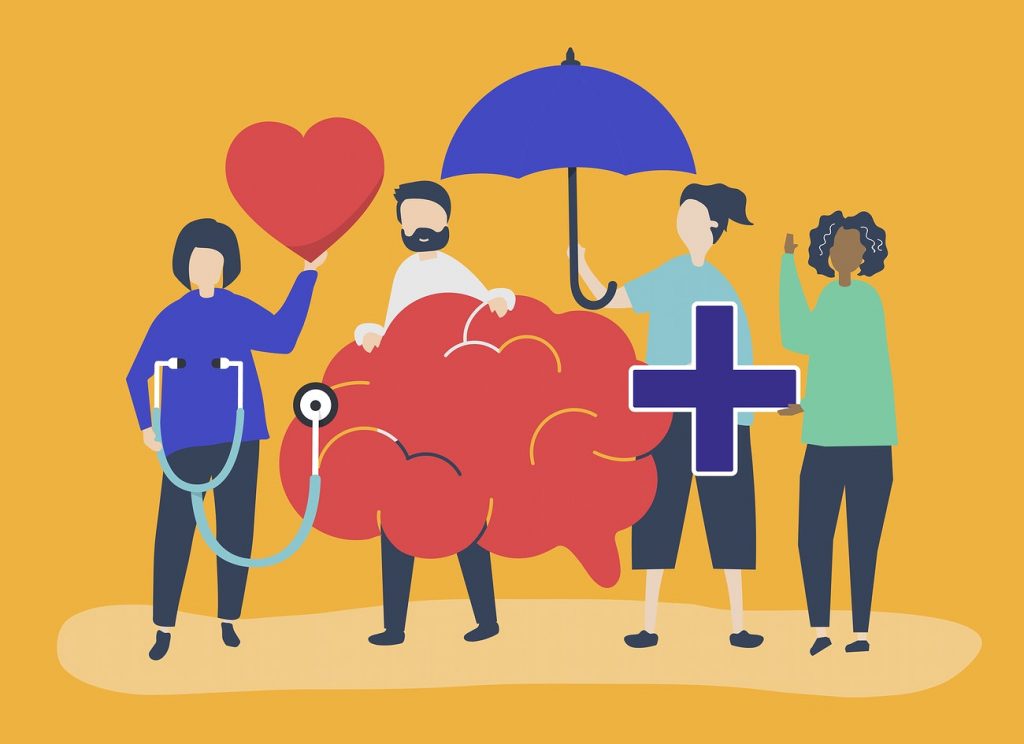
Mental health advocacy has become an increasingly critical component of healthcare, particularly as awareness of mental health issues grows and the stigma surrounding mental illness decreases. Advocacy efforts are crucial in protecting vulnerable populations because they frequently experience disproportionately negative effects from mental health issues, such as poverty, homelessness, or discrimination.
As the demand for mental health services continues to rise, professionals with specialised training in mental health care are more essential than ever. Master’s programmes in Nursing and Social Work, particularly those offered online, equip the next generation of mental health advocates with the skills and knowledge necessary to make a significant impact.
The urgent need for mental health advocacy
Vulnerable populations often face barriers to accessing mental health care, including lack of resources, social stigma, and systemic inequalities. These barriers can exacerbate mental health issues, leading to a cycle of disadvantage and poor health outcomes. Mental health advocacy seeks to address these disparities by promoting access to care, educating the public, and influencing policy to support mental well-being.
Advocacy efforts are particularly crucial in reaching populations that are marginalised or underserved, such as racial and ethnic minorities, LGBTQ+ individuals, and people living in poverty. These groups often experience higher rates of mental illness due to factors like discrimination, trauma, and socioeconomic stress. Advocates work to ensure that these communities have access to the mental health services they need, whether through direct intervention, policy change, or public education campaigns.
The role of advanced education in mental health advocacy
Professionals with advanced degrees in Nursing and Social Work are at the forefront of mental health advocacy. Programmes like a Master’s in Nursing (MSN) or a Master of Social Work (MSW), especially those with a focus on mental health or public health, provide the specialised training necessary to effectively advocate for vulnerable populations. These programmes often emphasise the development of leadership skills, ethical decision-making, and a deep understanding of social determinants of health – all critical components for successful advocacy.
Master’s in Nursing Programmes
Nurses with an MSN, particularly those who specialise in psychiatric-mental health, are uniquely positioned to serve as advocates for mental health. Their clinical expertise allows them to identify and treat mental health issues, while their training in leadership prepares them to influence healthcare policy and practice.
MSN-prepared nurses can work in a variety of settings, from hospitals to community health centres, where they can advocate for better mental health services and support systems for vulnerable populations. Additionally, many MSN programmes offer courses in public health, equipping nurses with the knowledge to address mental health issues at the community or population level.
Master of Social Work Programmes
Social workers with an MSW, particularly those specialising in clinical social work or mental health, play a crucial role in mental health advocacy. MSW programmes often include training in counselling, crisis intervention, and social justice, providing social workers with the tools to support individuals and communities facing mental health challenges.
Social workers are often on the front lines of mental health care, working directly with vulnerable populations to provide support and connect them with resources. Their training also equips them to engage in policy advocacy, pushing for systemic changes that improve mental health care access and equity.
Impact of mental health advocacy
The impact of mental health advocacy is far-reaching. Advocacy efforts can lead to increased funding for mental health services, changes in laws and policies that improve access to care, and greater public awareness of mental health issues. For vulnerable populations, these changes can make a significant difference in their ability to access care and achieve better health outcomes.
Online programmes for both MSN and MSW degrees have made these advanced qualifications more accessible, allowing more professionals to enter the field of mental health advocacy. These programmes offer flexibility, enabling students to continue working while pursuing their degrees, and often provide opportunities to specialise in areas of mental health advocacy that align with their interests and career goals.
Pursue a career in mental health advocacy
Professionals who engage in mental health advocacy also contribute to a broader cultural shift towards recognising mental health as an integral part of overall health. By advocating for mental health services and support, these professionals help to break down the stigma surrounding mental illness, making it easier for individuals to seek help without fear of judgement.
As the importance of mental health becomes more widely recognised, the role of mental health advocates in protecting vulnerable populations is more critical than ever. Advanced degrees in Nursing and Social Work, such as an MSN or MSW, provide the training needed to effectively advocate for these populations, ensuring that they have access to the mental health care and support they need.
With the rise of online programmes, more professionals can now gain the skills necessary to become influential mental health advocates, making a meaningful impact on the lives of those who are most at risk. Through their work, these advocates help to create a more equitable and compassionate society, where mental health is prioritised for all.


