
Original studyBiological Psychiatry, 2026Read the paper →
Survivors of childhood abuse often face questions about how early experiences relate to their later mental health. An international analysis of brain scans suggests that the relationship is not a single pattern of damage, but a mixture of structural differences that varies with age, sex, and the type of adversity reported.
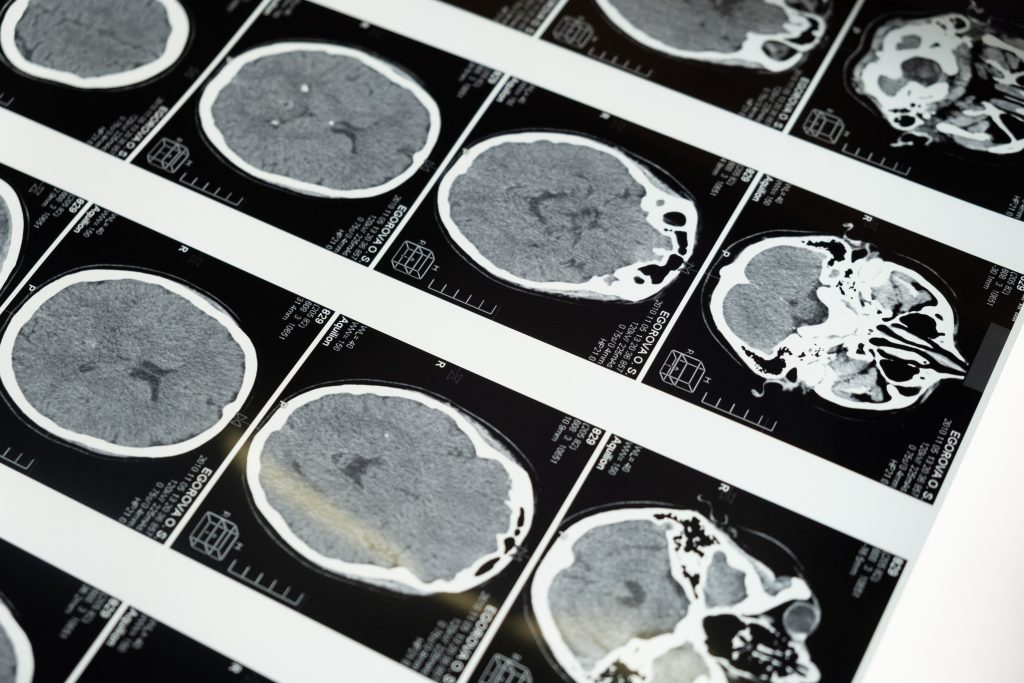
Researchers led by the University of California, Los Angeles analysed MRI data from 3,711 people across 25 sites in eight countries. The study, published in Biological Psychiatry, brought together data from the ENIGMA consortium’s depression and posttraumatic stress disorder working groups.
The sample included 1,389 people with major depressive disorder or posttraumatic stress disorder, alongside 2,322 healthy control participants. Participants completed a retrospective questionnaire about physical, emotional, and sexual abuse, as well as physical and emotional neglect.
Rather than simply comparing average brain size between groups, the team assessed how individual measurements differed from age-specific and sex-specific reference values. These reference models were developed using scans from a separate sample of 37,407 healthy people.
The analysis covered the thickness and surface area of the cortex, the brain’s outer layer, and the volume of structures beneath it. It examined abuse and neglect separately, recognising that threatening experiences and missing care may not have identical associations with development.
More severe childhood abuse was associated with differences across several brain regions in adults. Some measurements were larger than expected, while others were smaller, so the results cannot be described accurately as a uniform shrinking of the brain.
Among young adult women, greater abuse was associated with smaller hippocampal and putamen volumes, alongside differences in cortical thickness and surface area. These structures and regions contribute to several functions, but an association with their size does not establish a particular difficulty in any individual.
Associations were generally more extensive in young adult women than in men, especially for surface area. Neglect showed more limited relationships, and many of its associations weakened when abuse severity was considered at the same time.
The researchers did not detect significant associations in the child and adolescent group. Their additional analyses suggested that this could reflect the smaller sample’s limited ability to detect subtle differences, rather than evidence that childhood adversity has no relationship with the developing brain.
The study has clear limits. It compared people at one point in time, so it cannot demonstrate how an individual’s brain changed after abuse or prove that the observed differences are permanent.
Accounts of maltreatment relied on memory, and the team could not fully account for socioeconomic circumstances, symptom severity, or medication use across sites. The findings also do not show that MRI scans can establish whether someone experienced abuse or predict their recovery.
The next step is research following people over time to test how adversity, development, and resilience interact. For care now, the study supports taking trauma histories seriously without treating survivors’ futures as fixed by a brain measurement.


