
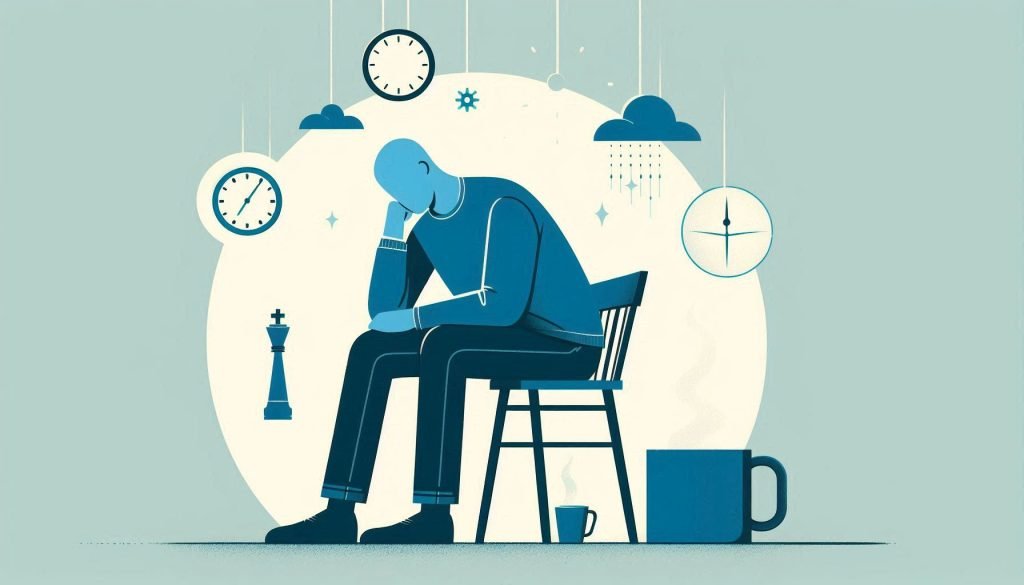
I think she was in her early thirties. When we first met, the loneliness around her was almost physical, as if she wore it like a covering to hide shame, regret, despair and fear. I recognised it at once, because I knew it from the inside. She had been brought in after trying to end her life, and because she needed more intensive care than we could offer, she was referred on to another service.
A few weeks later my supervisor asked me about our conversation, and I asked him why. She had never arrived at the other service. She had died by suicide on the way. I have carried her with me ever since, and I could not write about my own life without beginning with hers.
When I looked at her, I saw myself. The difference was that she had come forward and asked for help, while I was still hiding from the same feelings and lying to everyone, including myself. Her courage, and the fact that it was not enough to save her, is the reason this piece exists. It is also why I now believe that the hidden signs of depression deserve far more attention than they get.

Two lives at once
My depression began when I was about fifteen. By my mid-twenties, pretending had become automatic. Looking as though I had my life in order, as though I was winning, took enormous energy, and I was exhausted by it. To get away from the low mood and the shame, I reached for anything that offered a high: drugs, alcohol, gambling and a string of casual relationships. I took bets as a bookmaker, sold drugs and lost thousands of dollars. Chasing the next rush was simply easier than sitting with what I felt.
At the same time, I worked in healthcare, spoke to patients and colleagues with professional calm and set up two legitimate businesses. That was the man most people knew. The other man cried on the drive to work and, after a day in a clinical setting, phoned to check how the night’s drug deliveries had gone. After I separated from my children’s mother, relationships came and went with no expectation of anything lasting. I could not love anyone properly when my own idea of love was so badly bent out of shape.
When the escape becomes the problem
I lived that double life because I was running from the person I disliked most, which was me. I was arrested more than once, lost a great deal of money and hurt many people who cared about me. The habits I depended on to numb the pain had become a fresh source of it. Sooner or later, the person you are fleeing catches up, and when that person is you, there is nowhere left to go.
This pattern is more common than many people realise. Research on smiling depression in high achievers describes people who keep performing well on the outside while struggling badly on the inside, and that was exactly my experience.
What hidden depression can look like
Depression wears different clothes on different people. For some, it means being unable to leave the bedroom. For others, it looks like relentless productivity and a carefully managed image. These are some of the forms I have seen, in myself and in the people I now work with.
- Constant escape: Drinking, drugs, gambling or risky sex used to avoid difficult feelings rather than for enjoyment.
- Overwork: Long hours and endless projects that keep the mind too busy to notice how it feels.
- Quiet withdrawal: Pulling away from friends and family while insisting everything is fine.
- Self-sabotage: Undermining relationships, money or opportunities just as things start to improve.
- Compulsive spending: Buying things for a brief lift that fades almost immediately.
What the woman on the bridge taught me about the depression we hide
Today, as a mental health coach, I sit opposite people who remind me of the man I used to be. Many have careers, families and respect, yet they are wrestling with emotions they were never taught to face. My job is not to tell anyone how to live. It is to help them notice the patterns that keep them from the peace they want, because I know how persuasive the appearance of happiness can be.
Like the woman who inspired this piece, many of us know what it is to feel we have run out of options. She reached out and still did not survive, which is heartbreaking. I buried my pain in vices. Others bury it in work, isolation or debt. I cannot change what happened to her, and I cannot undo the harm I caused, but I can use what I have lived through to help others find a different way.
FAQs
- Can someone be depressed and still seem successful? Yes. Many people with depression keep working, parenting and socialising while feeling empty or hopeless underneath, which is why their struggles often go unnoticed.
- Is using alcohol, drugs or gambling to cope a sign of depression? It can be. Relying on substances or risky behaviour to escape painful feelings is a common pattern in hidden depression and is worth talking to a professional about.
- Where can I get help in the UK if I feel suicidal? Call Samaritans free on 116 123 at any time, ring NHS 111 and choose the mental health option, or go to your nearest A&E if you are in immediate danger.
Takeaway
If you take one thing from this story, let it be this: ask for help, whatever shame, embarrassment or judgement you fear. Other people’s opinions should never matter more than your own well-being. The world may cheer the person you pretend to be without ever seeing the one who is hurting, and although we cannot always control what brings us to the edge, none of us has to face it alone.


