
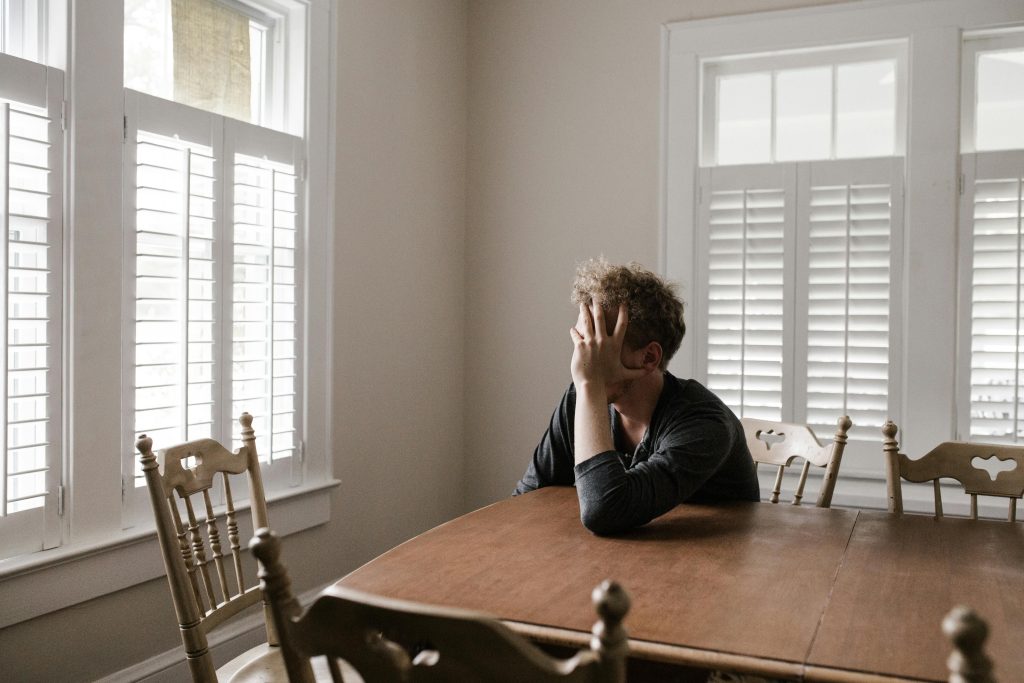
You have tried the medication, attended the therapy sessions, followed the advice, and given it time. And yet something still is not working. If that describes your experience, you are not facing a personal failing. Anxiety is one of the most complex conditions in mental health, and for a significant number of people, conventional treatments provide only partial relief. This is something the team at the LeafEase medical cannabis clinic encounters regularly: patients who have done everything right and still find themselves searching for a better answer.
Why conventional anxiety treatments do not work for everyone
The standard first-line treatments for anxiety in the UK are selective serotonin reuptake inhibitors (SSRIs), serotonin and noradrenaline reuptake inhibitors (SNRIs), and talking therapies such as cognitive behavioural therapy (CBT). For many people, these work well. For others, they do not, and why anxiety medication does not work in these cases often comes down to a combination of factors rather than a single cause.
Brain chemistry varies significantly between individuals. The serotonin system, which SSRIs target, is not the only pathway involved in anxiety. For some patients, the medication simply does not engage the right mechanism for their particular presentation. Others experience side effects, including fatigue, sexual dysfunction, emotional blunting, or worsened mood in the early weeks, that make continuing with treatment difficult or impossible. Partial relief is also common: symptoms reduce but do not resolve, leaving the person in a prolonged state of managed discomfort rather than genuine recovery.
Overlapping conditions add further complexity. Anxiety frequently co-occurs with post-traumatic stress disorder (PTSD), attention deficit hyperactivity disorder (ADHD), chronic pain, and sleep disorders. Where these conditions are present but undiagnosed, treating the anxiety in isolation may produce limited results regardless of the medication used.
The reality of treatment-resistant anxiety
Treatment-resistant anxiety is not a fringe experience. A significant proportion of people living with anxiety disorders do not achieve full remission with first-line treatments. Some reach a point of plateau where further dose increases produce more side effects than benefit, and switching between medications extends the period of instability without reliably improving outcomes.
The emotional toll is considerable. Persistent symptoms, reduced quality of life, and a growing sense that the system does not have a solution for you are experiences many people in this position describe. That frustration is valid. It is also a signal worth listening to.
Exploring alternative approaches in the UK
When standard treatments have not provided adequate relief, exploring other options is a reasonable and clinically supported step. These might include more intensive psychological therapies, private psychiatric care, or regulated medical treatments that sit outside the conventional prescribing pathway.
Medical cannabis is one such option, available through a private medical cannabis clinic UK patients can access directly without a GP referral. Cannabis-based products for medicinal use (CBPMs) have been legally prescriptible by specialist doctors since November 2018. This is not a grey area or an unregulated supplement. It is a prescription-only medical treatment, issued by doctors on the General Medical Council (GMC) specialist register, dispensed by licensed pharmacies, and subject to the same clinical governance that applies to any regulated medicine. Medical cannabis for anxiety UK is assessed case by case, with eligibility depending on diagnosis, prior treatment history, and individual clinical factors.
How medical cannabis may support anxiety management
The potential relevance of cannabis-based medicines to anxiety lies partly in how cannabinoids interact with the body’s endocannabinoid system, a signalling network involved in regulating stress responses, sleep, mood, and emotional processing. Cannabidiol (CBD) and tetrahydrocannabinol (THC), the two primary active components in prescribed cannabis medicines, interact with this system in different ways and at carefully controlled doses determined by the prescribing clinician.
Some patients report improvements in sleep quality, reductions in physical tension, and a greater sense of emotional stability. Others find the benefit more modest, or find that certain formulations do not suit them. Response varies between individuals, and this is precisely why clinical oversight matters. Medical cannabis is not a guaranteed solution, and it is not presented as one by responsible clinicians. What it represents for some patients is a regulated, clinically guided alternative when other treatments have reached their limits.
What to look for in a regulated medical cannabis clinic
LeafEase medical cannabis clinic is registered with the Care Quality Commission (CQC) and all prescriptions are issued by GMC-registered specialist doctors operating under the MHRA regulatory framework for cannabis-based products for medicinal use. Nursing staff are NMC-registered, all clinical personnel are DBS checked, and medication is dispensed through a GPhC-registered pharmacy partner and delivered by post in discreet packaging.
LeafEase is a member of the Medical Cannabis Clinicians Society. Eligibility is assessed individually, and if a prescription is not clinically appropriate, the consultation fee is refunded in full.


