
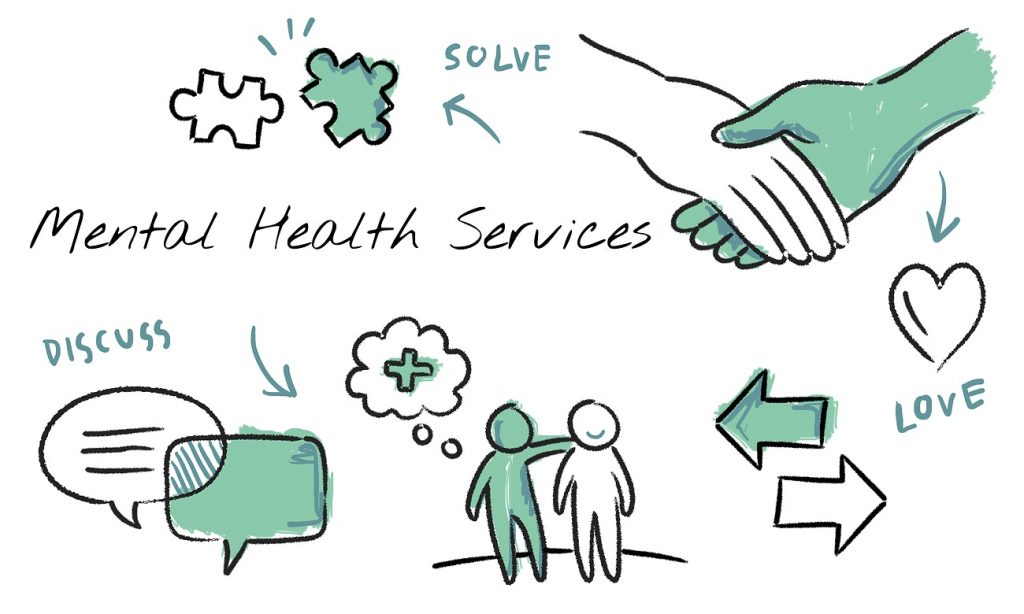
Deciding to seek help for your mental health is a big step. But once that decision is made, the next question often becomes: what kind of treatment is actually going to help the most?
For people dealing with persistent or complex mental health challenges, outpatient therapy alone may not feel like enough. That’s where residential care comes in. Programs like mental health treatment LA offer a more immersive, structured approach designed to provide deeper support and more consistent progress.
If you’ve never experienced this level of care before, it’s completely normal to wonder what it actually looks like; and how it can make a difference.
What is a residential mental health programme?
A residential mental health program is a live-in treatment setting where individuals receive round-the-clock support for their mental health. Unlike outpatient care, where therapy happens once or twice a week, residential treatment integrates care into everyday life.
This means your entire day is built around healing: through therapy, structured activities, and consistent routines.
These programs are often recommended for individuals who:
- Feel stuck despite ongoing therapy
- Experience intense or recurring symptoms
- Need a more stable, supportive environment
- Are navigating multiple mental health challenges at once
Rather than managing symptoms between appointments, residential care allows individuals to fully focus on recovery in a dedicated setting.
What a typical day looks like
One of the biggest differences people notice in residential treatment is the structure.
While every programme is a little different, most follow a consistent daily schedule that may include:
- Morning check-ins or mindfulness practices
- Individual therapy sessions
- Group therapy or peer discussions
- Educational workshops or skill-building sessions
- Physical activity or wellness-focused time
- Evening reflection or support groups
This structure isn’t just about staying busy. It’s about creating stability.
When mental health symptoms disrupt routines, having a predictable daily flow can help regulate mood, reduce anxiety, and rebuild a sense of control.
The value of 24/7 support
Mental health challenges don’t follow a schedule. They can show up unexpectedly: late at night, during stressful moments, or even during periods of transition.
That’s why having access to support at all times can be so impactful.
In a residential programme, trained professionals are available around the clock. This means individuals don’t have to wait days or weeks to address difficult emotions or setbacks. They can process them in real time.
This kind of immediate support helps:
- Prevent emotional escalation
- Reduce feelings of isolation
- Reinforce coping strategies as they’re being learned
- Build trust in the treatment process
For many people, this level of consistency is what allows real progress to take hold.
A more personalised approach to care
Another key benefit of residential treatment is how personalised it can be.
Because individuals are in the program full-time, providers can observe patterns, adjust treatment plans, and respond to changes more quickly than in outpatient settings.
Care teams often include:
- Therapists
- Psychiatrists
- Case managers
- Support staff
Together, they collaborate to create a treatment plan that reflects each person’s specific needs, challenges, and goals.
This integrated approach helps ensure that nothing falls through the cracks.
Addressing more than just symptoms
Residential mental health programs go beyond managing immediate symptoms. They focus on understanding the “why” behind them.
That might include exploring:
- Past experiences or trauma
- Patterns of thinking and behaviour
- Relationship dynamics
- Stress responses and coping mechanisms
By addressing these underlying factors, individuals can begin to create more meaningful and lasting change.
According to the National Institute of Mental Health, effective mental health care often involves a combination of therapies and ongoing support tailored to the individual, rather than a one-size-fits-all approach.
Residential treatment brings those elements together in a way that’s both consistent and comprehensive.
Building skills that last beyond treatment
One of the biggest goals of residential care is to prepare individuals for life outside of treatment.
During their stay, people learn practical tools they can continue using long after they leave, such as:
- Managing stress and anxiety in real-world situations
- Communicating more effectively in relationships
- Setting boundaries and maintaining routines
- Recognising early signs of emotional distress
Because these skills are practised daily in a supportive environment, they become more natural and easier to apply in everyday life.
The importance of environment in recovery
The environment plays a huge role in mental health.
When someone is surrounded by stress, unhealthy patterns, or constant triggers, it can be incredibly difficult to make progress. Residential programs offer a different kind of environment: one that’s intentionally designed to support healing.
This includes:
- A calm, structured setting
- Reduced exposure to external stressors
- Access to peers who understand similar challenges
- A focus on wellness and balance
By stepping into a new environment, individuals often gain clarity and perspective that’s hard to achieve in their usual surroundings.
What happens after residential treatment?
A common concern is what happens once the program ends.
Residential care isn’t meant to be permanent. It’s meant to be a starting point for long-term stability.
Before leaving, individuals typically work with their care team to create an aftercare plan. This might include:
- Continued outpatient therapy
- Medication management
- Support groups
- Lifestyle strategies to maintain progress
This transition is a key part of the process, helping individuals apply what they’ve learned in a more independent setting.
When intensive support can make the difference
Not everyone needs residential treatment; but for those who do, it can be a turning point.
When symptoms feel overwhelming, when progress has stalled, or when additional support is needed, stepping into a more structured level of care can create the space necessary for real change.
It’s not about taking a step back. It’s about giving yourself the tools, support, and environment needed to move forward more effectively.
A deeper level of support for meaningful progress
Mental health recovery isn’t always quick or straightforward. But with the right level of care, it becomes much more manageable.
Residential programmes provide more than just treatment. They offer consistency, connection, and the opportunity to fully focus on healing.
For many people, that deeper level of support is what transforms short-term improvements into long-term outcomes; and makes lasting stability feel achievable.


