
Original studyPsychreg Journal of Psychology, 2018Read the paper →
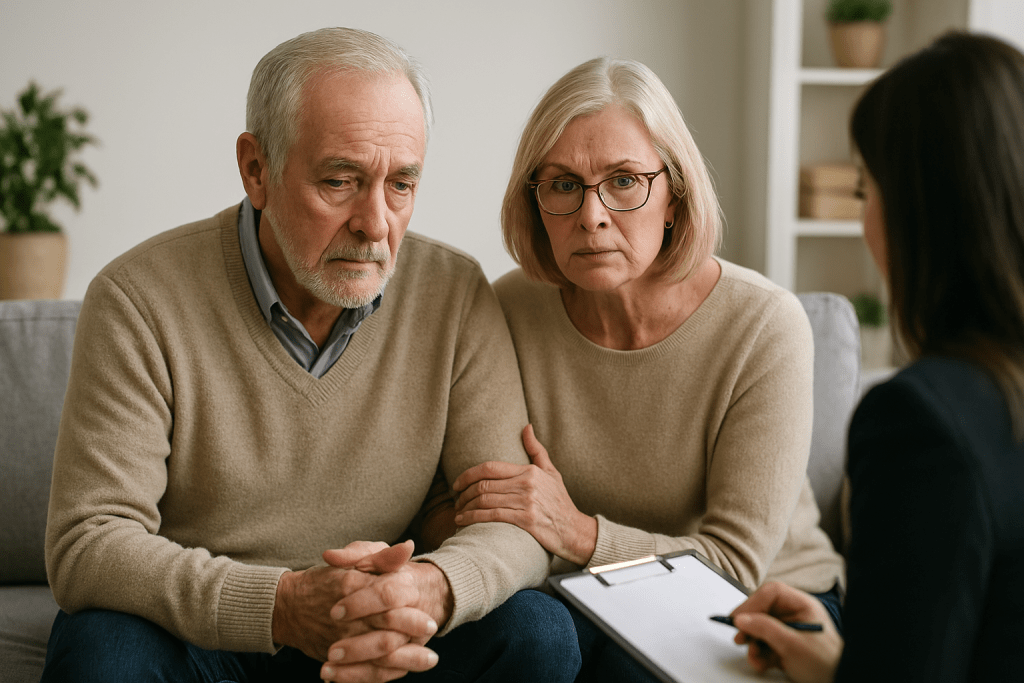
Most people never see inside a therapy room. So what does a sex therapist do when a couple walks in? An interview with one experienced sex and relationship therapist offers a view from her side of the room.
In short, she describes watching both partners closely, including their body language and the signals between them, and combining talking therapy with body work. She also explains why she believes that offering therapy to people at risk of committing sexual offences can help prevent abuse before it happens.
The interview appears in Psychreg Journal of Psychology and was carried out by the journal’s editor. It centres on her book Landscapes of the Heart: The Working World of a Sex and Relationship Therapist, which draws on 25 years of clinical experience and lets readers sit on the therapist’s shoulder through early and later sessions with each couple.
What does a sex therapist do in a session?
Her route into therapy was unusual: she taught horse riding. She noticed that the way riders treated their horses often mirrored problems in their own relationships, so riders who were too soft with the horse often struggled to stand up for themselves at home. Because horses do not talk, she had learned to read body language and small signals, a skill she says served her well with couples.
She later found that couples work needed extra skills and completed a two-year postgraduate diploma in relationship and sexual therapy at the Maudsley Hospital, where tutors and other students watched trainees’ sessions through a one-way mirror.
Why she adds body work to talking therapy
She uses the Pesso Boyden System Psychomotor (PBSP), a body-based psychotherapy she first came across in 2001. She says ten years of talking therapy had not shifted the trauma from her own childhood, and that only after further therapy using PBSP did she feel settled inside. One of her clients, she says, compares a good PBSP session to six months of talking therapy.
A charity that works with people at risk of offending
She helped set up StopSO, The Specialist Treatment Organisation for the Prevention of Sexual Offending, after a client who had made obscene phone calls told her how afraid he was of being judged. At the time, she says, there was no help in the UK for someone attracted to children who did not want to offend. StopSO began seeing clients in 2013, and by 2018, she said, it had hundreds of specially trained therapists across the UK.
“Couples rarely get to see what really happens in therapy. I wanted readers to hear how a therapist pays attention to the body as well as words, and why helping people before they offend can protect others”, said Dennis Relojo-Howell, managing director of Psychreg.
The interview has clear limits. It is one therapist’s view of her own methods and charity, and her claims about how well PBSP works or how many people StopSO has protected are not measured results.
An earlier version of the interview with this sex and relationship therapist first appeared on Psychreg on 15 August 2017. Psychreg has also covered how music therapy can support recovery in forensic psychiatry and the debate over viewing child abuse images.


