
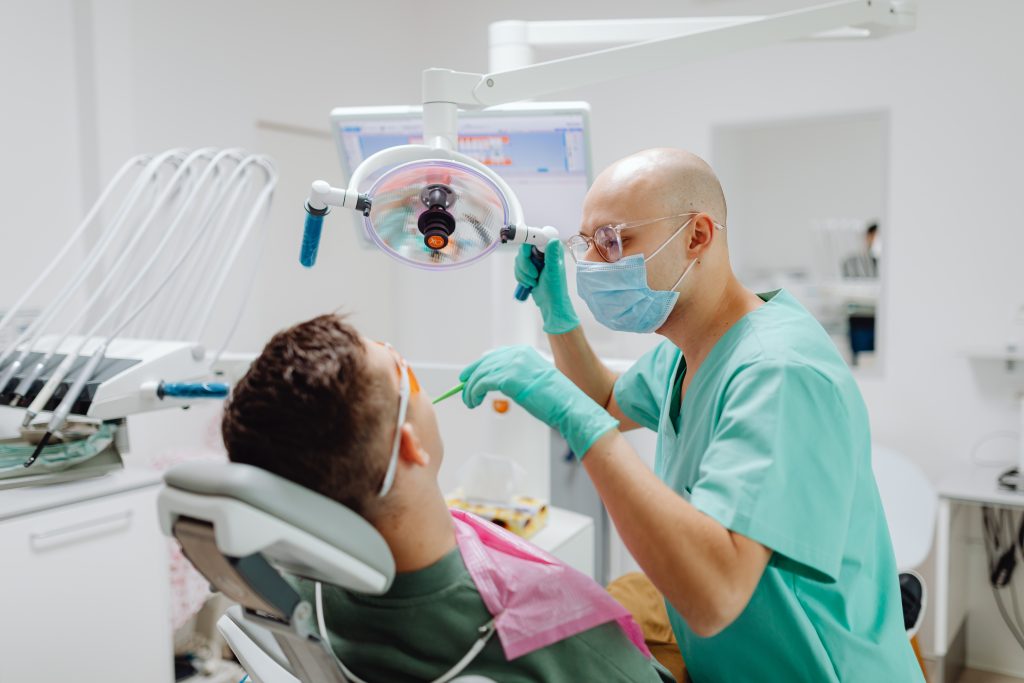
You may have noticed crowding when you smile, a gap that has always bothered you, or teeth that seem difficult to clean. Perhaps your dentist has suggested an orthodontic evaluation, and you are unsure what happens next.
Before deciding on treatment, it helps to understand what an orthodontist is assessing. Appearance is part of the conversation, but so are the way your teeth meet, your oral health, and the practical demands of treatment.
A consultation gives you time to ask questions and compare recommendations. You do not need to arrive knowing which appliance you want; or whether you want treatment at all.
Explain what brought you in
Start with the concern you have noticed rather than a procedure you have researched. Saying “These teeth overlap” gives the orthodontist a clearer starting point than requesting a particular type of aligner.
Mention any functional concerns, too. Explain whether chewing feels uncomfortable, food frequently catches in a particular area, or cleaning around certain teeth is difficult. These observations do not establish a diagnosis, but they give the clinician useful information to investigate.
If the appointment is for your child, ask what they have noticed about their teeth. Parents and children may have different priorities, and both deserve a place in the discussion.
Ask what the assessment shows
An orthodontic consultation should help you understand whether treatment is recommended and why. Ask the orthodontist to explain the findings in everyday language and show you the areas being discussed.
For children, an assessment does not necessarily mean starting treatment immediately. Harvard School of Dental Medicine’s guidance on a child’s first orthodontic visit explains the recommendation for an orthodontic check-up no later than age seven. An early assessment helps identify developing concerns and determine appropriate timing for care.
Ask whether treatment is needed now or whether monitoring is appropriate. If the clinician recommends monitoring, find out what would be checked, when another assessment should take place, and what might change the recommendation.
Compare options for your particular case
Braces and clear aligners are familiar terms, but familiarity does not tell you which approach is suitable for your teeth.
Families contacting Bryant Orthodontics in Windsor Mill can ask about consultation arrangements and the treatment options available for their needs.
During the appointment, ask why a particular approach is recommended. What would it aim to correct? What are its limitations? Are there reasonable alternatives, including monitoring or choosing not to proceed?
If more than one option is appropriate, discuss the differences in daily responsibilities. A treatment that looks appealing online still needs to fit your clinical needs and your ability to follow instructions.
Talk honestly about your routine
Orthodontic care becomes part of everyday life. School, work, travel, meals, and cleaning habits all belong in the planning conversation.
Ask how often appointments are expected and what to do if an appliance becomes damaged or uncomfortable. If frequent travel or a changing work schedule could make attendance difficult, explain that before treatment starts.
For a child or teenager, discuss who will help manage appointments and daily care. Clear responsibilities are more useful than assuming everyone will remember what to do.
There is no benefit in presenting an ideal version of your routine. The orthodontist needs to know what you can realistically manage.
Make cleaning part of the decision
Ask for practical instructions on keeping teeth and gums clean during treatment. The NHS guide to caring for braces emphasises thorough cleaning and continuing regular dental checkups while wearing braces.
Request a demonstration rather than relying on a list of products. You should understand how to clean around your appliance, which tools may help, and how to continue care with your regular dentist.
If you already struggle to clean a particular area, bring that up before treatment begins. Ask the orthodontist to recommend a technique you can comfortably maintain.
Understand the Commitment before agreeing
Before making a decision, request a written explanation of costs and what they include. Ask about expected treatment time, follow-up appointments, and any factors that could affect the schedule.
Discuss retainers as well. Ask what will be required after active treatment, how retainers should be cared for, and what happens if one is lost or damaged.
Take time to review the recommendations. A useful consultation leaves you understanding the purpose of treatment, your responsibilities, and the next step; not simply the name of an appliance.
Bryant Orthodontics serves patients in Windsor Mill, Maryland. Patients and families can contact the practice to discuss orthodontic concerns, ask about available treatment options, and arrange a consultation focused on their individual needs and goals.


