
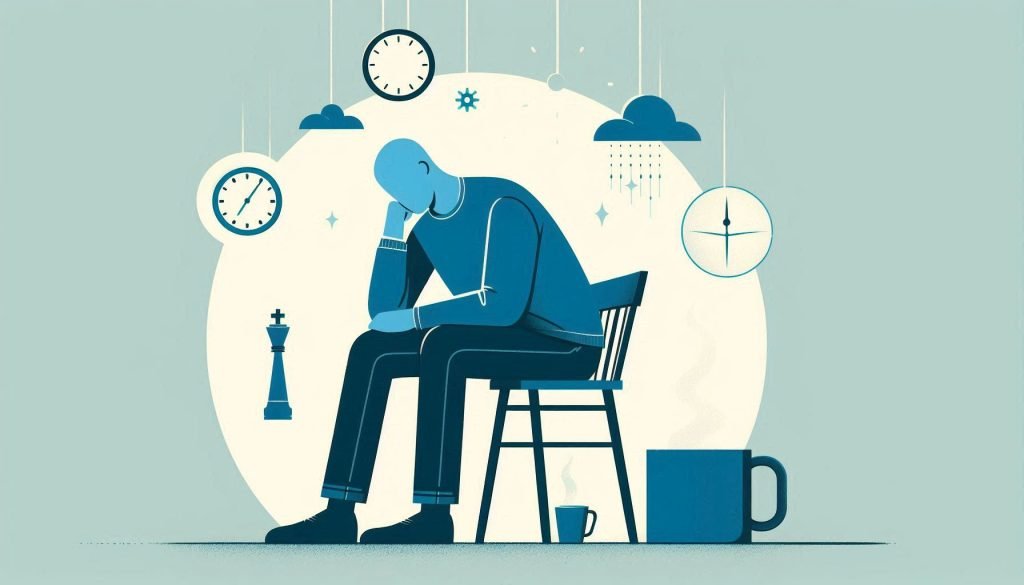
Researchers at Radboud University and Bielefeld University recently conducted a study that shed light on the intricate factors that discourage men from talking about their mental health problems. The research, which surveyed 1,400 men in Germany, highlights the intricate interplay between depressiveness, loneliness, adherence to traditional masculine norms, and the reluctance to disclose mental distress. The findings underscore the urgent need for tailored mental health interventions that address these specific barriers. The findings were published in the journal SSM-Mental Health.
The study found that men are significantly less likely than women to share their mental health struggles, despite the benefits of such disclosures in managing and alleviating distress. This reluctance is particularly pronounced among men experiencing depression, who often conform to traditional masculine norms that discourage emotional vulnerability. The researchers discovered that men with higher levels of depressiveness were more likely to internalise these norms, leading to a greater likelihood of non-disclosure of mental health issues.
Depressiveness emerged as a key factor directly linked to non-disclosure, with the study revealing that men suffering from depression were less likely to seek help or discuss their mental health concerns with others. This is particularly concerning, given that sharing one’s struggles is often the first step towards receiving professional support. But the study also uncovered a paradox: men who reported higher levels of depressiveness also indicated a higher number of trusted social contacts. Rather than facilitating disclosure, these social connections seemed to increase the likelihood of non-disclosure, perhaps due to the perceived burden of revealing their distress to close ones.
Loneliness was identified as a significant mediating factor in the relationship between depressiveness and non-disclosure. Men experiencing higher levels of depression were more likely to feel isolated, which in turn heightened their reluctance to talk about their mental health. The study suggests that loneliness not only exacerbates feelings of depression but also reinforces the cycle of non-disclosure, further entrenching men in their silence.
Traditional masculine norms play a crucial role in shaping men’s attitudes towards mental health. The study found that men who strongly adhere to these norms are less likely to disclose their mental distress. This conformity is deeply rooted in societal expectations that equate masculinity with stoicism and emotional restraint. Such norms not only discourage men from seeking help but also contribute to the stigma surrounding mental health issues in men.
The findings of this study have significant implications for the design of mental health interventions targeted at men. To effectively address the barriers to disclosure, interventions must consider the influence of traditional masculine norms and the role of loneliness in perpetuating mental distress. Public health campaigns should aim to challenge these norms and encourage men to view emotional openness as a strength rather than a weakness.
The study also highlights the importance of fostering strong, supportive social networks that can encourage men to share their struggles without fear of judgement. Interventions should also focus on improving men’s mental health literacy, equipping them with the knowledge and skills needed to recognise and manage mental health issues.


