
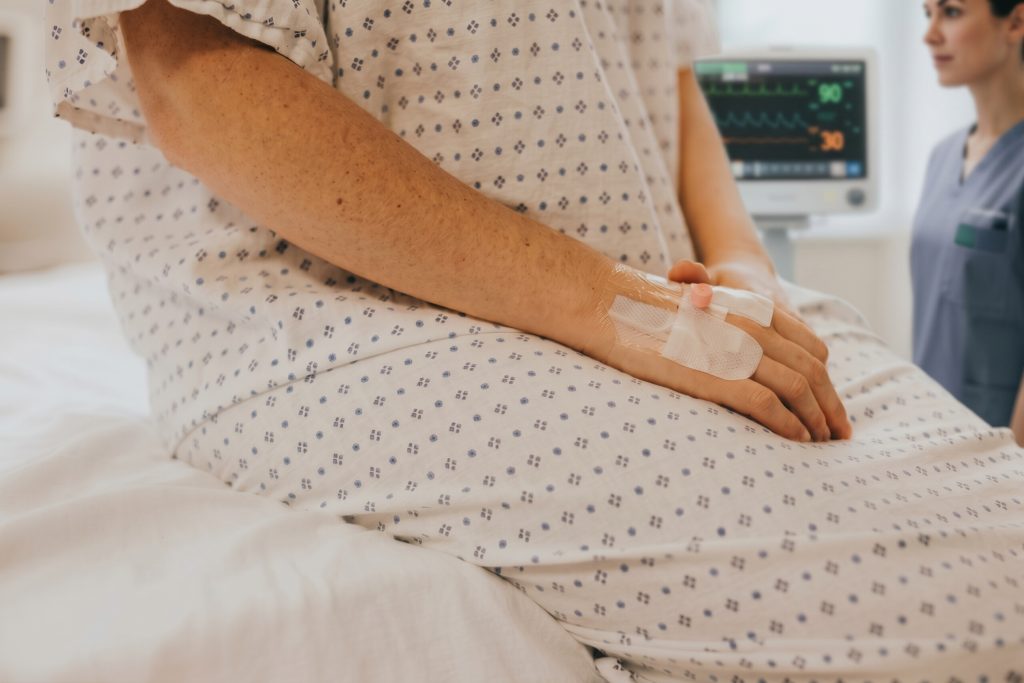
Waiting for open heart surgery can be one of the most frightening experiences of a person’s life. Patients often worry about pain, complications and even whether they will wake up. A new study from Türkiye suggests that a strong sense of spiritual wellbeing may help ease that fear.
Researchers at Atatürk University in Erzurum surveyed 179 patients awaiting open heart surgery at a university hospital in eastern Türkiye. The findings appear in BMC Psychology. Patients, whose average age was about 65, completed questionnaires in the days before their operation between March and October 2025.
The questionnaires measured surgical fear, covering worries about the operation itself and about recovery afterwards. Spiritual wellbeing describes a sense of meaning, inner peace and connection with something greater than oneself, with others and with nature. Religious coping refers to the ways people draw on faith in hard times, which can be positive, such as seeking comfort in prayer, or negative, such as feeling punished or abandoned by God.
Overall, patients reported fairly low levels of surgical fear and high levels of spiritual wellbeing. Most relied heavily on positive religious coping and made little use of negative religious coping, and more than half said they regularly practised their religious rituals.
Spiritual wellbeing turned out to be the strongest factor linked to fear. Patients with higher spiritual wellbeing reported less fear of surgery. By contrast, those who leaned more on negative religious coping reported more fear.
Previous experience of other operations also mattered. Patients who had already had surgery unrelated to the heart reported greater fear than those who had not, perhaps because of pain or complications they remembered. Other personal details, such as age and the type of heart operation planned, made no clear difference.
The findings suggest that preparing patients for heart surgery should include attention to their emotional and spiritual needs, not only their physical health. The researchers propose that nurses assess spiritual wellbeing and negative religious coping before surgery and offer support or referral where needed. Talking through past surgical experiences could also help reduce anxiety.
The study has limits. It was carried out in a single hospital, relied on patients’ own reports and captured their feelings at one point in time, so it cannot show that spiritual wellbeing causes lower fear. Because Türkiye is a predominantly Muslim society, the findings may apply most readily to similar cultural settings.
Fear before surgery is common and has been linked to more pain, slower recovery and longer hospital stays. This is believed to be the first study to look at surgical fear, spiritual wellbeing and religious coping together in people facing open heart surgery.


