
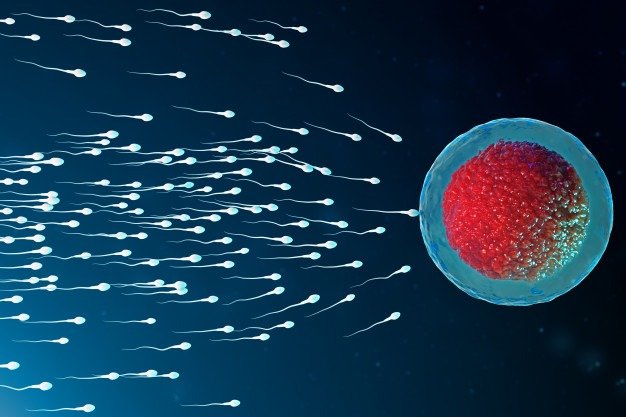
A recent study has shed light on the crucial role of gonadotropin inhibitory hormone (GnIH) in stress-induced male infertility, offering new insights into the complex mechanisms through which stress impacts reproductive health. Published in Frontiers in Endocrinology, the research delves into how chronic stress, often an overlooked factor in male infertility, exerts its detrimental effects by triggering a cascade of hormonal disruptions that culminate in impaired sperm production and function.
Infertility affects approximately 48.5 million couples worldwide, with male factors contributing to about half of these cases. Although stress has long been suspected to play a role in male infertility, the specific pathways through which it operates have remained unclear. This new study brings GnIH to the forefront as a key mediator of the harmful effects of stress on male fertility.
Drs Adeyemi F. Odetayo and Roland E. Akhigbe’s research team concentrated on the interactions between GnIH and a number of significant hormonal axes in the body. Their findings indicate that GnIH disrupts the hypothalamic-pituitary-gonadal (HPG) axis, a critical regulator of reproductive function, by inhibiting the release of gonadotropin-releasing hormone (GnRH). This inhibition leads to a cascade of effects, including reduced production of testosterone, a hormone essential for spermatogenesis, the process by which sperm are produced.
Moreover, the study highlights the broader impact of GnIH on other hormonal pathways. Under stress, GnIH is upregulated, which not only affects the HPG axis but also interferes with the hypothalamic-pituitary-thyroidal (HPT) axis. This interference makes it harder for thyroxine (T4) to turn into triiodothyronine (T3), which makes the hormonal imbalances that hurt reproductive health even worse. Furthermore, GnIH increases the production of corticosteroids by activating the hypothalamic-pituitary-adrenal (HPA) axis. This creates a feedback loop that keeps stress going and its harmful effects on fertility going.
One of the most significant findings of the study is the impact of GnIH on the structural integrity and function of the testes. The hormone is shown to induce degenerative changes in the testicular tissue, impairing both steroidogenesis (the production of steroids like testosterone) and spermatogenesis. Reduced sperm count, motility, and viability – all essential components for successful fertilisation – are the result of this, which causes a noticeable decline in sperm quality.
Interestingly, the study also points to the potential of GnIH as a target for therapeutic intervention. By suppressing GnIH activity, it may be possible to mitigate some of the adverse effects of stress on male fertility. This could pave the way for new treatments aimed at improving reproductive outcomes in men experiencing chronic stress.
The implications of this research are far-reaching, particularly in a world where stress is an increasingly common part of daily life. As stress levels continue to rise globally, understanding its impact on fertility becomes ever more critical. This study not only advances our knowledge of the biological mechanisms underlying stress-induced infertility but also opens new avenues for potential therapies that could help millions of couples struggling with infertility.


