
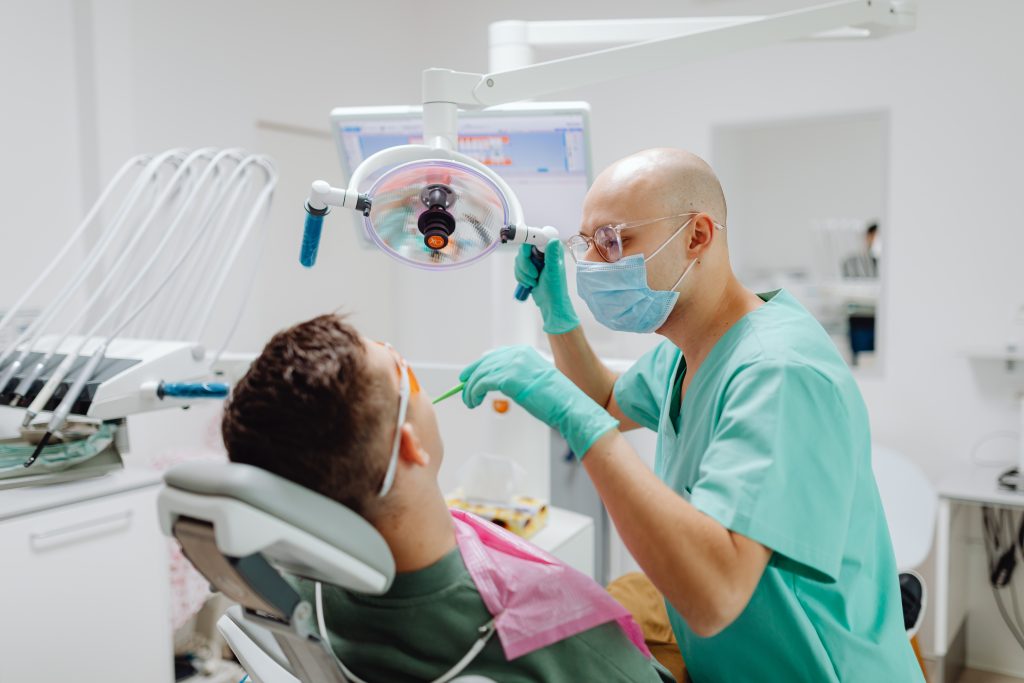
Have you ever paused to think about why you picked your current dentist? Maybe a friend recommended them, or perhaps their office popped up first in your online search. In today’s world, where most people turn to the internet for everything from groceries to healthcare, the way patients choose dentists involves a mix of emotions, logic, and digital cues. This blend of psychology and technology is fascinating, especially when we look at search engine optimisation (SEO). SEO isn’t just about ranking higher on Google. it’s a window into how patients think and decide.
Understanding this psychology matters for both patients and dental professionals. For patients, it means making smarter choices that lead to better oral health experiences. For dentists, it reveals strategies to connect with people who need their services. By exploring what drives these decisions and how SEO uncovers them, we can see clearer paths to trust and satisfaction. Let’s dive in and uncover the human side of dental choices, informed by real search behaviours.

Understanding the psychological factors in choosing a dentist
Choosing a dentist isn’t a random act. It’s rooted in psychology, where emotions and logic collide. Patients often feel vulnerable about oral health, so their decisions stem from a need for safety and reliability.
One major factor is trust. People seek dentists who show competence and caring attitudes. For instance, recommendations from family or friends build instant credibility, as they reduce the fear of the unknown. Patients also value a dentist’s credentials, like specialized training or board certifications, which signal expertise.
Another key element is convenience. Location plays a huge role; patients prefer practices nearby for easy access, especially in emergencies. Online searches for “dentist near me” highlight this practical side, showing how geography influences choices.
Dental anxiety adds a layer of complexity. Many avoid dentists due to past bad experiences or fear of pain. Practices that address this through gentle approaches or sedation options stand out. Psychology tells us that empathetic communication can ease these fears, making patients more likely to commit.
Social proof matters too. Reviews and testimonials sway decisions, as they offer real stories from others. A positive online reputation can tip the scale, turning hesitant searchers into loyal patients.
- Trust and recommendations: Built on word-of-mouth and perceived expertise.
- Convenience and location: Prioritised for quick, stress-free visits.
- Anxiety management: Key for overcoming emotional barriers.
- Social proof: Reviews that validate choices.
By grasping these factors, dentists can tailor their approach to meet patient needs head-on.
How SEO unveils patient decision-making in dentistry
SEO isn’t just tech jargon. it’s a tool that peels back the layers of patient thinking. When someone types a query into Google, it reveals their mindset, fears, and priorities. For dentists, this data is gold.
Consider search terms. Phrases like “best dentist for anxious patients” show fear is a big driver. SEO analytics track these, helping practices create content that soothes worries, such as blogs on painless procedures. This matches patient intent, guiding them from search to appointment.
Reviews tie directly into psychology. High ratings build trust, and SEO boosts visibility of positive feedback. Tools like Google Business Profiles amplify this, where optimised listings with photos and responses influence choices.

Local SEO uncovers location-based decisions. Nearly half of searches have local intent, so appearing in “near me” results taps into convenience-seeking behaviour. Dentists learn that patients value quick access over flashy ads.
Content strategy reflects deeper insights. Educational pages on services like implants address informational needs, helping patients feel informed and empowered. Long-tail keywords, like “affordable cosmetic dentistry options,” reveal budget concerns and specific desires.
In essence, SEO data acts like a psychologist’s notes. It shows patterns: Patients research extensively, compare options, and choose based on perceived value. By optimizing for these, practices influence decisions subtly but effectively. Insights shared by a Dentist SEO Specialist can help dental practices better understand how online search behaviour influences patient decisions.
- Search intent: Reveals fears, needs, and preferences.
- Review impact: Builds emotional trust through social proof.
- Local focus: Aligns with convenience-driven choices.
- Content education: Empowers informed decision-making.
Benefits of leveraging SEO for dental practices
Applying SEO insights brings clear wins for dentists. It bridges psychology and marketing, leading to smarter patient acquisition.
First, increased visibility draws targeted traffic. When your site ranks high for relevant searches, you attract people actively seeking care; not random visitors. This boosts new patient numbers without heavy ad spends.
SEO builds credibility. Optimized content showcases expertise, like detailed service pages that answer patient questions. This fosters trust, making your practice the go-to choice.
Cost-effectiveness shines through. Unlike paid ads, organic SEO delivers long-term results. Once ranked, traffic flows steadily, improving ROI and allowing focus on patient care.
Better engagement follows. SEO encourages user-friendly sites with fast loads and mobile optimization, keeping visitors hooked. This translates to more bookings and loyalty.
Data-driven decisions empower growth. Analytics reveal what works, refining strategies to match evolving patient behaviours.
- Targeted attraction: Pulls in ready-to-book patients.
- Credibility boost: Positions you as an authority.
- Cost savings: Sustainable over time.
- Enhanced engagement: Improves user experience.
- Informed strategies: Adapts to real behaviours.
These benefits show how SEO turns psychological understanding into tangible success.
Challenges in implementing dental SEO
Dental SEO comes with real obstacles. Competition is intense, particularly in cities, where multiple practices are chasing the same top rankings and consistent effort across content and backlinks is the only way to stay visible.
Technical problems are common. Slow load times, broken links, and poor mobile optimisation all damage rankings, and most dentists simply do not have the technical background to diagnose or fix them without outside help.
Compliance adds another layer of difficulty. HIPAA restrictions limit what patient information can be shared online, and advertising regulations make bold clinical claims risky. Staying on the right side of the rules while still marketing effectively is a genuine challenge.

Google’s algorithm updates keep the goalposts moving. Changes such as AI overviews can reshape entire strategies with little warning, requiring practitioners to keep learning rather than settling into a fixed approach.
Content production is time-consuming too. Producing fresh, relevant material on a regular basis demands both effort and originality, yet without it, engagement suffers.
- High competition: Requires standout tactics.
- Technical fixes: Demands web expertise.
- Regulatory hurdles: Limits marketing freedom.
- Algorithm shifts: Calls for adaptability.
- Content demands: Needs quality and consistency.
Overcoming these with a reliable partner smooths the path to success.
Emerging trends in dental SEO for 2025
Dental SEO continues to shift as technology changes and patient behaviour evolves. A few trends are worth paying attention to.
AI is reshaping how search results appear. Features like AI overviews now favour content that answers questions directly and in natural language, which means practices need to think less about keyword stuffing and more about genuinely useful, conversational copy.
Local SEO is becoming more competitive. As mobile searches grow, patients are increasingly looking for practices nearby and in the moment. A well-maintained Google Business Profile and location-specific content make a real difference in capturing that traffic.
Video is gaining ground too. Short clips that walk patients through procedures or explain what to expect at an appointment perform well with audiences who prefer visual content, and they contribute positively to overall engagement signals.
Voice search is also worth factoring in. More people are asking smart devices to find services for them, often using phrases like “dentist open now near me.” Optimising for that kind of conversational, intent-driven language helps practices show up in those results.
Personalisation is increasingly expected. Patients respond better to experiences that feel relevant to them, and using data to tailor content or calls to action, even in modest ways, can meaningfully influence whether someone books an appointment.
- AI optimisation: Focus on helpful, structured content
- Hyper-local tactics: Dominate “near me” searches
- Video emphasis: Engages emotionally
- Voice-ready keywords: Matches spoken queries
- Personalized approaches: Builds deeper connections
These trends highlight SEO’s role in mirroring patient psychology.
Takeaway
The psychology of choosing a dentist revolves around trust, convenience, and overcoming fears; insights SEO brilliantly illuminates. By leveraging search data, dentists can attract and retain patients more effectively. Benefits like visibility and credibility outweigh challenges such as competition and compliance, especially with 2025 trends like AI and local focus paving the way.


