
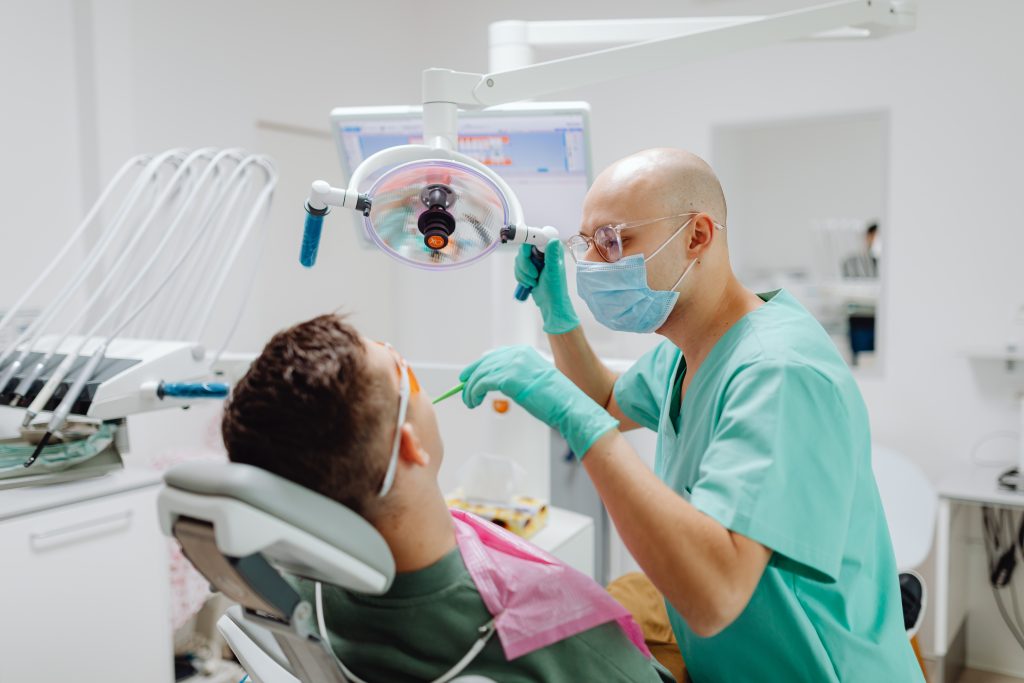
For decades, traditional metal braces were the only reliable option for correcting crooked or misaligned teeth. But today, clear aligners (especially Invisalign) have transformed orthodontic treatment into a comfortable, discreet, and highly effective experience. Instead of brackets and wires, Invisalign uses transparent, removable trays to gradually shift your teeth into perfect alignment.
In this article, we’ll explore how Invisalign works, its benefits, and why it has become the preferred choice for teens and adults seeking a beautiful, confident smile.
What is Invisalign?
Invisalign is an advanced orthodontic system that uses a series of custom-made, clear plastic aligners to move teeth into their ideal position. These aligners are designed using 3D imaging technology and are created to fit snugly over your teeth; almost invisible to the eye.
How Invisalign straightens teeth without braces
3D Digital scan and treatment plan
Your dentist or orthodontist takes a digital scan of your teeth. This allows Invisalign software to create a personalized treatment map, showing each stage of your tooth movement.
Custom-made aligners
Based on the digital plan, a series of aligners is produced. Each aligner is slightly different and applies gentle pressure to specific teeth.
Gradual tooth movement
You wear each aligner for 10–14 days, at least 20–22 hours per day. Every new tray shifts your teeth a little more until the final alignment is achieved.
No wires, no tightening
With Invisalign, there are:
- No metal brackets
- No wire adjustments
- No painful tightening sessions
Instead, the teeth move gradually and comfortably through controlled pressure.
Attachments for extra precision
Sometimes small, tooth-coloured attachments may be added to help aligners grip teeth better for complex movements. They’re still nearly invisible.
Benefits of Invisalign
Nearly invisible
The biggest advantage. You can smile confidently during treatment because the aligners are transparent.
Comfortable to wear
Made from smooth, medical-grade plastic, Invisalign eliminates:
- Gum irritation
- Sharp edges
- Wire pokes
Removable anytime
Unlike braces, you can remove aligners when:
- Eating
- Drinking
- Brushing
- Flossing
This keeps your oral hygiene excellent and your diet unrestricted.
Faster treatment in many cases
Depending on your case, Invisalign can straighten teeth in 6–18 months, often faster than traditional braces.
Predictable results
The 3D digital treatment plan shows you the expected final result from the beginning.
Who is Invisalign good for?
Invisalign works well for:
- Crowded teeth
- Gaps between teeth
- Overbite
- Underbite
- Crossbite
- Open bite
- Minor to moderate misalignment
For very severe cases, your dentist may recommend a combination of treatment methods.
How to care for Invisalign aligners
To keep your aligners clean and effective:
- Rinse them regularly
- Brush gently with a soft toothbrush (no toothpaste)
- Store them in their protective case when not in use
- Avoid hot water; it can warp the plastic
What happens after treatment?
After Invisalign, you’ll need a retainer to maintain the result and ensure your teeth don’t shift back. Most patients wear retainers at night.
Final thoughts
Invisalign has revolutionised orthodontic treatment by offering a modern, discreet alternative to braces. With clear aligners, digital planning, and comfortable wear, it’s easier than ever to achieve a perfectly aligned smile; without the metal.
Whether you’re a teenager or an adult, a consultation with your dentist can help determine if Invisalign is the right solution for you. Invisalign provides a reliable, flexible, and confidence-boosting way to straighten your teeth.


