
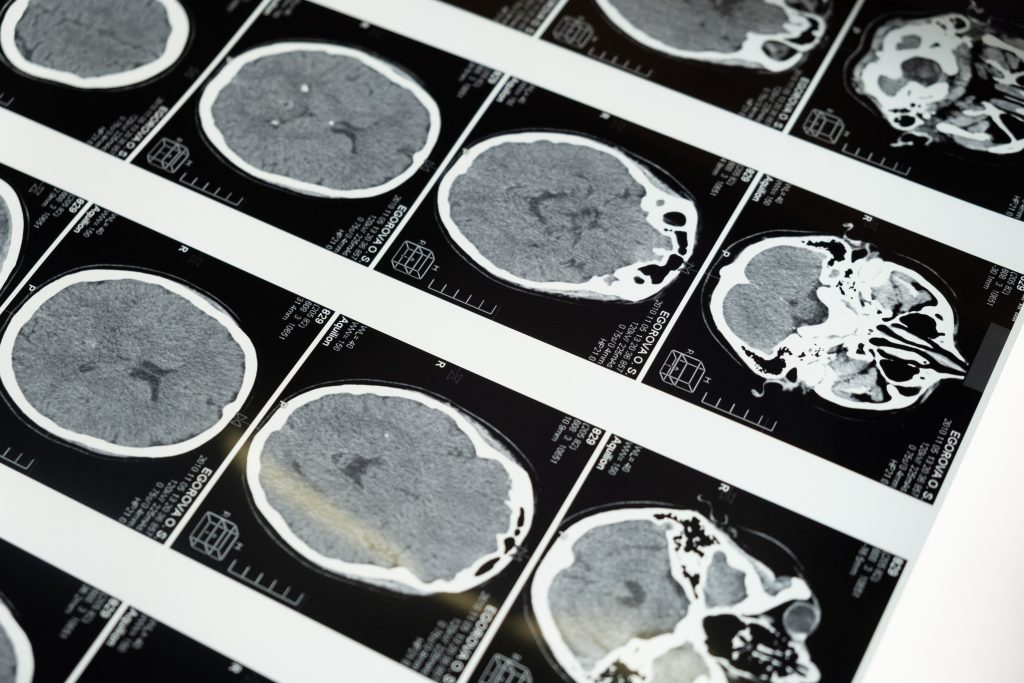
Frontotemporal dementia (FTD) is a neurological condition that affects the frontal and temporal lobes of the brain. It is progressive, causing gradual changes in behaviour, personality, and language. FTD is a relatively uncommon form of dementia, accounting for approximately 5%–10% of all dementia cases.
FTD is one of the more common causes of dementia in people under 65, which is characterised by a series of clinical neurologic syndromes. These include early onset, relatively preserved memory in the early stages, progressive changes in behaviour and personality, and language difficulties.
Because frontotemporal dementia symptoms can look like other conditions, recognising them early matters. This video from the US National Institute on Aging explains the types, symptoms, and diagnosis of FTD.

What is frontotemporal dementia?
Research has shown that FTD varies widely in its underlying pathology, and different subtypes may have different causes and disease processes. Even so, recent years have seen important progress in understanding how the condition develops.
FTD can have a significant effect on life expectancy. Survival varies widely from person to person, with many people living for several years to more than a decade after symptoms begin. FTD can also place a heavy financial and emotional burden on families, partly because it often affects people of working age.
Frontotemporal dementia symptoms
FTD usually causes a gradual change in behaviour and personality, and in some people it progresses more quickly than other forms of dementia, such as Alzheimer’s disease. Symptoms can broadly be grouped into three areas:
- Behaviour changes: People may act in socially inappropriate ways, make tactless comments, neglect personal hygiene, or behave impulsively. They may lose their inhibitions, become apathetic, and lose interest in activities they once enjoyed.
- Language changes: Some people have difficulty expressing themselves, understanding language, or finding the right words. They may repeat words or phrases or struggle to communicate.
- Movement changes: FTD can also affect movement in some people, causing problems with balance and coordination, muscle weakness, tremors, or stiffness.
Causes
The exact cause of FTD is not fully understood. It is associated with the build-up of abnormal proteins, such as tau or TDP-43, in the frontal and temporal lobes, which leads to the loss of nerve cells. In some families, FTD is linked to inherited genetic changes, so a family history of the condition can increase the risk.
Diagnosis
Diagnosing FTD can be challenging because its symptoms can resemble those of other neurological and psychiatric conditions. A thorough assessment by a specialist, often a neurologist or memory clinic, is usually needed. This may include a detailed medical history, a neurological examination, and cognitive testing. Brain scans such as MRI can help show changes associated with FTD.
Treatment
There is currently no cure for FTD, but there are ways to manage symptoms. Medicines such as certain antidepressants may be prescribed to help with some behavioural symptoms, depression, or anxiety. Speech and language therapy can help people communicate, and occupational therapy and physiotherapy can help people stay independent for as long as possible.
Takeaway
FTD is a complex condition affecting the frontal and temporal lobes of the brain. Its symptoms can be hard to recognise, and there is currently no cure. With the right care and support, people with FTD and their families can maintain a good quality of life for as long as possible. If you notice changes in behaviour, personality, or language in yourself or someone close to you, speak to a GP.
FAQs
- What are the first signs of frontotemporal dementia? Early signs often include changes in personality and behaviour, or difficulties with language.
- Is frontotemporal dementia hereditary? It can be in some families, but many cases occur without a family history.
- Can frontotemporal dementia be treated? There is no cure, but medicines and therapies can help manage symptoms.


