
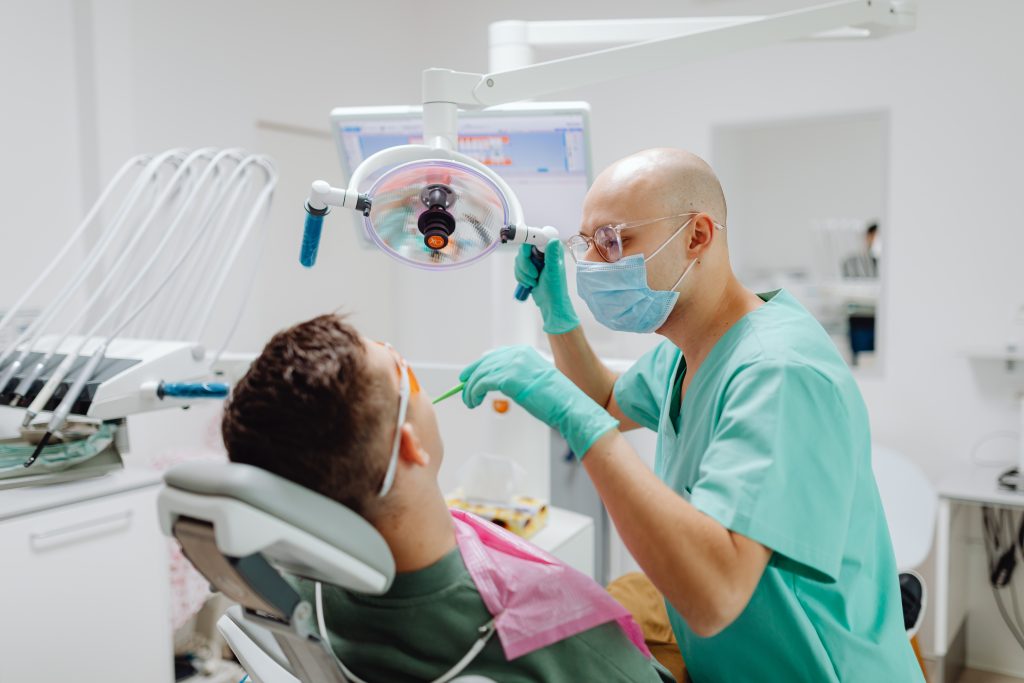
When you think of cavities, you probably imagine eating too many sweets or forgetting to brush your teeth. While these are common reasons, you may be surprised to learn that many of your everyday habits quietly damage your teeth over time. Left unchecked, these small actions can lead to serious dental issues, including tooth decay and cavities. That is why regular visits to a dentist in Burlington play an important role in keeping your teeth healthy and strong.
Why should you understand everyday habits?
Dental health is not only about brushing twice a day. The choices you make from morning until bedtime directly affect your oral health. Cavities develop when harmful bacteria feed on sugars and starches left on your teeth, producing acid that wears down enamel. While you may already know the basics, it is often the less obvious habits that create long-term problems.
Recognising these hidden habits allows you to take action early. Prevention is always more effective and less costly than treatment.
Most common habits that cause cavities
While sugar is an obvious culprit, many unnoticed actions damage your teeth over time. Here are the everyday habits that can also contribute to cavities.
Frequent snacking
Snacking throughout the day may seem harmless, but it constantly exposes your teeth to acid attacks. Each time you eat, bacteria in your mouth produce acids for up to 20 minutes afterward. If you snack often, your teeth never get the chance to recover.
Instead of grazing, try to stick to three balanced meals a day. If you need a snack, choose tooth-friendly options such as raw vegetables, nuts, or cheese. These foods not only satisfy hunger but also help neutralise acid in your mouth.
Sipping sugary drinks slowly
A glass of soda, iced coffee, or energy drink can harm your teeth more than you realise. The real issue arises when you sip these drinks slowly over hours. Every sip bathes your teeth in sugar and acid, prolonging the damage.
To reduce the risk, limit sugary drinks altogether. If you do enjoy them, drink quickly rather than slowly. Using a straw can also help minimise contact with your teeth. Always rinse your mouth with water afterward to wash away some of the sugar and acid.
Chewing on ice or hard objects
Many people chew on ice without thinking. It may feel refreshing, but it puts tremendous pressure on your teeth. Over time, this habit weakens enamel and creates small cracks, making your teeth more vulnerable to decay. The same risk applies to chewing on pens, fingernails, or other hard objects.
If you need to satisfy the urge to chew, choose sugar-free gum. It stimulates saliva production, which naturally helps protect your teeth.
Skipping water after meals
Water plays a bigger role in dental health than most people realise. After eating, food particles and sugars remain on your teeth. If you do not rinse your mouth with water, bacteria get more fuel to produce acid.
Make it a habit to drink water after every meal or snack. This simple step helps flush away debris and keeps your mouth hydrated. Fluoridated water is even better, as it strengthens enamel and fights cavities.
Using teeth as tools
Do you ever open packages, cut tape, or hold items with your teeth? These shortcuts may seem convenient, but they weaken enamel and can cause chips or fractures. Damaged teeth are more likely to develop cavities, especially if cracks are left untreated.
Always use scissors or proper tools instead of relying on your teeth. It may take a little more time, but it will save you from painful and costly dental problems.
Forgetting to replace your toothbrush
You brush daily, but when was the last time you replaced your toothbrush? Over time, bristles wear down and lose effectiveness. A worn toothbrush leaves plaque behind, increasing your risk of cavities.
Dentists recommend replacing your toothbrush every three months or sooner if the bristles look frayed. A fresh toothbrush ensures better cleaning and protection against decay.
Constant grazing on sticky foods
Sticky foods such as dried fruit, gummy candies, and even granola bars cling to your teeth for longer periods. They are harder to wash away and provide bacteria with more time to produce acid.
If you eat sticky foods, brush and floss soon afterward. Alternatively, choose snacks that do not linger on your teeth, such as apples or carrots.
Brushing too hard
You may think brushing harder cleans better, but it can actually harm your teeth. Aggressive brushing wears down enamel and irritates gums. When enamel thins, teeth become more vulnerable to decay.
Use a soft-bristled toothbrush and gentle, circular motions. Focus on brushing thoroughly for two minutes instead of applying extra pressure.
Going to bed without brushing
This is one of the most harmful habits for your teeth. During the night, saliva production decreases. Without saliva to wash away food particles and bacteria, your teeth remain exposed to acid for hours.
Always brush before bed, no matter how tired you feel. This one step is one of the strongest defences against cavities.
How to break these habits and protect your smile
Now that you recognise these everyday habits, you can take small steps to protect your teeth. Here are practical strategies:
- Drink more water throughout the day.
- Limit sugary snacks and drinks.
- Replace your toothbrush regularly.
- Brush twice daily and floss once a day.
- Visit your dentist regularly for professional cleaning and check-ups.
Trusted dental care in burlington for every smile
Burlington Family Dentists is dedicated to providing patients with comprehensive dental care in a welcoming environment. Their team focuses on preventive treatments, advanced diagnostics, and personalised care plans to ensure long-term oral health.
With modern technology and a patient-first approach, the practice offers everything from routine cleanings to restorative and cosmetic dentistry. Families in Burlington rely on this clinic for expert guidance, comfortable treatments, and healthy, confident smiles that last a lifetime.
Takeaway
Cavities do not happen overnight. They result from everyday habits that may seem harmless but slowly weaken your teeth. Snacking often, sipping sugary drinks, chewing on ice, or skipping water after meals all contribute to decay. The good news is that with awareness and small changes, you can protect your teeth and avoid cavities.
By recognising these hidden risks and taking proactive steps, you give your smile the long-term care it deserves. Combine healthy daily habits with professional guidance from your dentist, and you will enjoy strong, cavity-free teeth for life.


